A car park is often the first part of a property that employees, customers and visitors use. However, it usually receives less security attention than the main building. Open entrances, quiet areas and poor lighting can create risks for vehicle owners and site managers.
Professional security services help businesses manage these risks through patrols, access checks, monitoring and incident response. When combined with suitable barriers, lighting and regular maintenance, they help create a safer and more organised car park.
Why is Car Park Security Important?
Car park security helps protect vehicles, staff and visitors. It reduces the risk of theft and damage and helps people feel safe when they arrive or leave, especially early in the morning or late in the evening.
It also supports a business’s legal responsibilities. Under the Occupiers’ Liability Act 1957, the person in control of a property must take reasonable care to keep visitors safe. Poor lighting, damaged surfaces or a lack of security measures can increase the risk of incidents and complaints.
What are the Common Security Risks in Car Parks?
The risks a car park faces depend on its location, layout and opening hours. A site assessment should consider the following:
- Theft and Vandalism: Vehicles and items left inside them can be stolen or damaged.
- Unauthorised Parking: People with no reason to be on site may use spaces meant for staff or customers.
- Tailgating: A vehicle may follow an authorised driver through a barrier without an access check.
- Poor Lighting and Blind Spots: Dark areas are harder to monitor and can make users feel unsafe.
- Damaged Fencing and Faulty Gates: These can leave access points uncontrolled.
- Antisocial Behaviour: Empty car parks may attract loitering or disruptive behaviour, particularly at night.
The assessment should also include pedestrian routes, isolated parking spaces and secondary entrances, as well as the main entrance.
How Do Security Guards Protect Car Parks?
Security guards provide a visible presence that helps discourage crime. They can monitor activity, assist car park users and respond to concerns as they happen.
At entrances, gatehouse security officers can check visitor details, verify deliveries and help drivers follow parking rules. During patrols, guards can check quieter areas, pedestrian entrances and spaces that are not fully covered by cameras. Guards can also report safety issues such as faulty lights, damaged signs, potholes or icy surfaces. Where needed, they can walk staff to their vehicles at the end of late shifts.
Mobile Patrols vs Static Guards
The right type of cover depends on how busy the car park is and when the risks are highest.
| Option | How it works | Suitable for |
| Static guard | An officer remains on site for the full shift | Busy car parks, main entrances and sites with regular visitors or deliveries |
| Mobile patrols | An officer visits the site at set times | Smaller or lower-risk car parks and overnight checks |
Some sites use both, with a static security guard during busy hours and mobile patrols overnight. Patrol times should vary so that they do not follow a predictable pattern.
Car Park Security at Night
Car parks are often at greater risk after a business closes, when there are fewer people around. A night security guard can carry out regular patrols, check that gates are locked and alarms are set, and respond to alerts. Night cover also helps protect employees who leave work late. Guards can challenge anyone on the site without a valid reason and report any concerns to the property manager or police.
How Do Barriers, Gates and Bollards Control Access?
Barriers and gates control which vehicles can enter and leave the car park. The right option depends on how busy the site is and how often access is needed. Automatic barriers can work with key fobs, intercoms or Automatic Number Plate Recognition (ANPR). Manual barriers may suit quieter sites where staff can operate them when needed.
Bollards help protect pedestrian areas and building entrances from vehicles. Fencing marks the site boundary and limits access through unofficial routes. These measures should not block emergency access or make the car park difficult to use. Staff should also know what to do if a driver’s access card or fob does not work.
The Role of CCTV and Lighting
CCTV helps security teams monitor the car park and review footage after an incident. Cameras should cover entrances, exits and areas that are difficult to check during patrols. Good lighting improves camera footage and helps people move around safely. Check regularly that cameras are not blocked by trees, signs or parked vehicles. CCTV and ANPR must be used in line with the Data Protection Act 2018 and ICO guidance. This includes displaying clear signs, storing footage securely and keeping it only for as long as necessary.
Managing Traffic Flow and Pedestrian Safety
Clear signs and markings help drivers and pedestrians move safely around the car park. Entrances, exits, parking bays and walkways should all be easy to identify. Visitors and delivery drivers should receive simple directions. During busy periods, traffic marshals can help manage vehicles at entrances and barriers. If queues form regularly, review the layout, signage and access checks.
Why Regular Maintenance Is Important
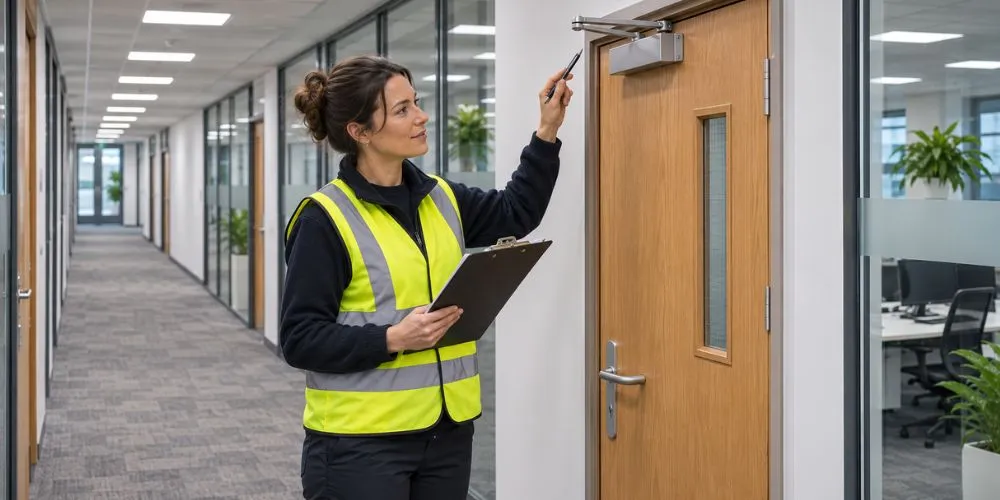
Security equipment needs regular checks to work properly. A faulty barrier, broken light or misaligned camera can leave part of the car park unprotected. Check gates, barriers, cameras, lighting and access systems on a regular schedule. Powered gates and barriers should meet the safety standard BS EN 12453. Staff should have a simple way to report faults, and it should be clear who arranges repairs. Temporary access checks or extra patrols can provide cover while equipment is out of use. Keeping maintenance records also helps identify repeated faults.
How Should Security Teams Respond to Incidents?
Security teams need clear procedures for dealing with theft, damage, suspicious activity and access disputes. Guards should assess the situation and contact the police or emergency services when urgent help is needed. They should record the time, location, what happened and the action taken, and save any relevant CCTV footage in line with site procedures. Staff and visitors should know who to contact to report a concern. Reviewing incident reports regularly can help identify problem areas or times of day that need more attention.
When Should You Review Your Car Park Security?
Review your car park security when the property or the way it is used changes. This may include longer opening hours, more visitors, new tenants or an expanded parking area. Repeated incidents or frequent equipment faults also suggest that changes are needed. A review should cover staffing levels, patrol routes, camera coverage, access permissions and whether procedures work during busy periods and after hours.
Choosing the Right Car Park Security Provider
When choosing a car park security provider, ask about guard duties, patrol schedules, hours of cover and how officers will work with your existing CCTV and access systems. Check that guards are SIA licensed and experienced in similar sites, and that reporting procedures are clear.
At G3 FM Services, we provide manned guarding and patrols for car parks at offices, retail sites, hotels and residential developments. Contact our team to discuss your site layout, opening hours and access requirements, and we will recommend suitable security cover.
Conclusion
Professional security services improve car park safety through patrols, controlled access and clear incident response. Combined with good lighting, CCTV, barriers and regular maintenance, these measures help protect vehicles, staff and visitors.
Reviewing your security arrangements as your site changes helps identify gaps and keep your car park safe and well managed.