Hotel security is an important part of protecting guests, employees, property and the day-to-day operation of a hotel. Hotels are busy environments where people come and go throughout the day and night, which can create different security challenges.
Guests expect to feel safe during their stay, while hotel employees need to know that suitable procedures are in place to deal with security concerns. From controlling access to monitoring public areas, hotels need to consider security across the whole property.
There is no single solution that can address every hotel security risk. A combination of physical security, technology, trained staff and clear procedures can provide better protection and help hotels respond to incidents more effectively.
Why is Hotel Security Important?
Hotels have a responsibility to provide a safe environment for guests, employees and visitors. A security incident can affect more than just the people directly involved. Theft, unauthorised access or damage to property can also affect the hotel’s reputation and day-to-day operations. Good hotel security can help:
- Protect guests and employees
- Reduce theft and property damage
- Control access to restricted areas
- Protect guest belongings
- Support emergency response
- Reduce security-related disruption
- Protect the hotel’s reputation
- Give guests greater confidence
Effective security can also help hotel management identify problems before they become more serious.
What are the Common Security Challenges for Hotels?
Hotels can face different security risks depending on their size, location, facilities and operating hours. A large hotel with multiple entrances, guest floors, restaurants, conference facilities and car parks may have more areas to monitor than a smaller property. Common challenges include:
- Unauthorised access
- Theft from guest rooms or vehicles
- Suspicious visitors
- Poorly monitored entrances
- Uncontrolled contractor access
- Security concerns in car parks
- Risks during quieter night-time periods
- Fire and other emergencies
- Outdated or poorly maintained security equipment
- Staff being unsure how to respond to incidents
Understanding these challenges can help hotels decide which security measures are most suitable for their property.
10 Smart Ways to Improve Security in Your Hotel
1. Install CCTV in Key Areas
CCTV can help hotels monitor activity across important areas of the property. It gives staff better visibility in places where they may not always be present and can provide useful evidence if a security incident occurs. Hotels should choose camera locations based on their layout and security risks. Suitable areas may include:
- Main entrances and exits
- Reception areas
- Car parks
- Service entrances
- Corridors
- Delivery areas
- Other areas where monitoring may be appropriate
Visible CCTV can also help deter theft, vandalism and unauthorised activity. Cameras should be positioned carefully to protect guest privacy and used in line with relevant data protection requirements.
2. Strong Access Control
Not everyone in a hotel needs access to every area. Guests may need access to their rooms and certain facilities, while employees, contractors and management may require access to staff-only or service areas. Access control can help hotels manage who can enter different parts of the building. Depending on the hotel, this may include:
- Electronic door locks
- Key cards or access cards
- Controlled entrances
- Restricted access to specific floors
- Separate access for staff and service areas
Access permissions should also be reviewed regularly. When an employee leaves or a contractor finishes their work, their access should be removed where appropriate to reduce the risk of unauthorised entry.
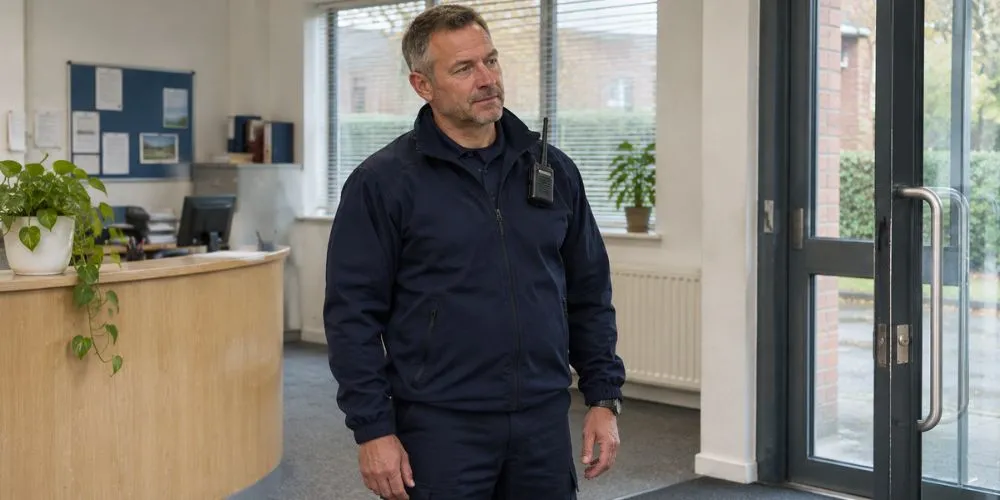
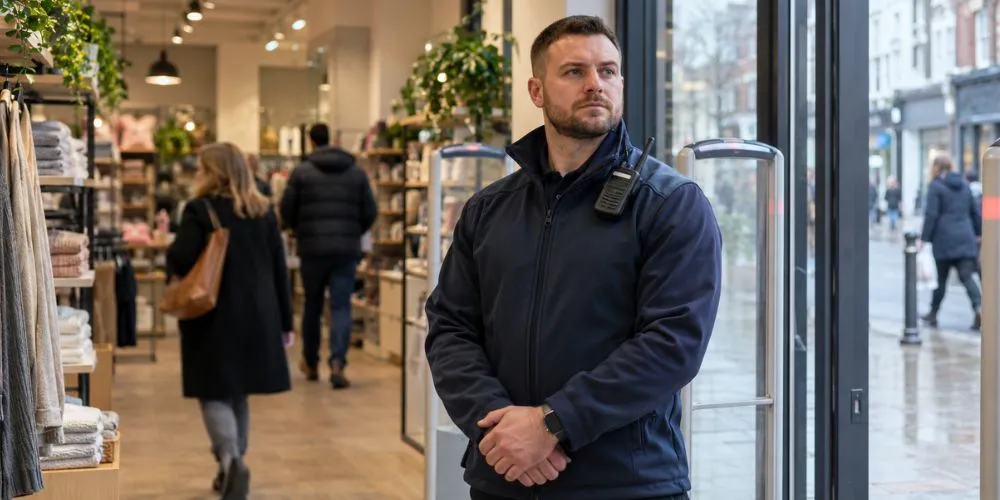
3. Use Trained Security Personnel
Manned security personnel can provide a visible presence and help hotels deal with different security concerns. Their role can involve more than simply monitoring an entrance or checking visitors. Depending on the hotel’s needs, security officers may:
- Carry out regular patrols
- Monitor activity across the property
- Support access control procedures
- Respond to security incidents
- Assist guests and employees when concerns arise
Security personnel can be particularly useful during busy periods, events and night-time hours when fewer hotel employees may be working. Having trained staff available can help the hotel respond to security issues when they occur.
4. Train Hotel Staff on Security Procedures
Hotel employees are often in a good position to notice unusual activity because they regularly interact with guests, visitors and contractors. This includes front desk staff, hotel concierge teams and other employees who deal with people throughout the day. Training can help staff understand what to look for and how to respond when they have a concern. This may include:
- Recognising suspicious behaviour
- Following access control procedures
- Reporting security incidents
- Knowing how to respond to emergencies
- Knowing who to contact when an issue occurs
Clear procedures can reduce confusion and help employees respond consistently. Regular training also keeps security procedures familiar, so staff are less likely to be unsure about what to do when an incident occurs.
5. Protect Guest Rooms and Corridors
Guest rooms contain personal belongings and valuables, making room security an important part of hotel protection. Hotels should make sure room doors, locks and access systems are maintained and used correctly. Corridors also need attention, particularly on guest floors. Good lighting and suitable monitoring can improve visibility and help staff identify unusual activity.
Hotels can consider:
- Maintaining room locks and electronic access systems
- Managing lost or stolen key cards
- Restricting staff access where appropriate
- Checking corridor lighting
- Monitoring suitable areas
- Maintaining clear procedures for security concerns
These measures can help reduce the risk of unauthorised access and provide greater protection for guests.
6. Protect Guest Valuables
Guests may bring laptops, phones, jewellery, passports and other valuable items with them. Hotels can provide practical measures to help guests look after these belongings during their stay. In-room safes can provide a convenient place for guests to store smaller valuables. Hotels should also have clear procedures for handling lost property and reports of missing belongings.
Staff should know how to respond when a guest reports a concern and who should be informed. Hotels can also remind guests about sensible security practices, such as:
- Locking their room when leaving
- Using the in-room safe for valuable items
- Keeping room keys or access cards secure
- Reporting missing belongings or suspicious activity promptly
Clear procedures can help staff handle these concerns consistently and give guests clear guidance on protecting their belongings.
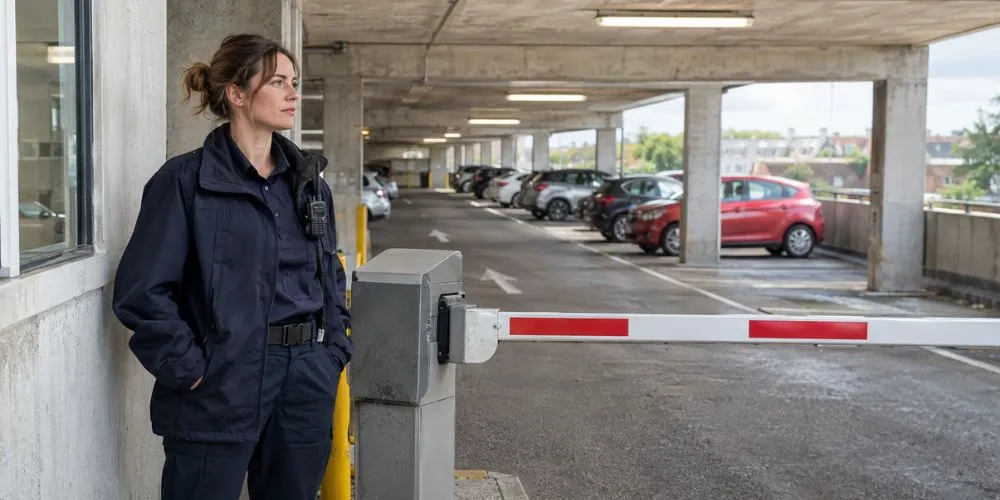
7. Secure Car Parks and External Areas
Car parks and external areas can create additional security risks, particularly during the evening and night when visibility may be reduced. Hotels should consider the security of:
- Car parks
- Service entrances
- External doors
- Perimeter areas
- Delivery areas
- Walkways
- Gates and access points
Good lighting can improve visibility, while CCTV and regular patrols can provide additional monitoring where required. Keeping external areas well maintained can also help staff identify unusual activity more easily.
8. Manage Visitors, Contractors and Staff Access
Hotels regularly deal with people who are not guests or permanent employees. These can include contractors, delivery drivers, maintenance workers and other visitors. Clear procedures can help hotels identify who should be on site and which areas they should be help to access. Hotels can:
- Confirm expected visitors and contractors
- Check identification where appropriate
- Record visitors when required
- Control access to restricted areas
- Manage delivery entrances
- Provide temporary access where needed
- Remove access when work is completed
Good visitor and contractor management can reduce the risk of unauthorised people entering areas where they should not be.
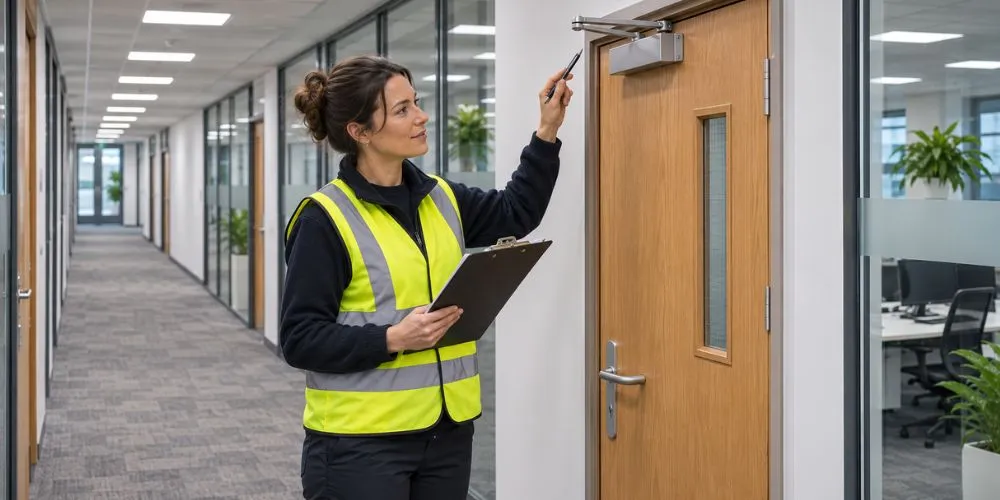
9. Use Alarms and Prepare for Emergencies
Hotels need to prepare for more than theft and unauthorised access. Fires, medical emergencies, serious disturbances and other unexpected incidents can also affect guests and employees.
Suitable alarm systems can help alert staff to certain incidents. Fire alarms, intruder alarms and other systems should be tested and maintained according to the relevant requirements. Hotels should also have clear emergency procedures covering:
- How to raise an alarm
- Who is responsible for different actions
- When emergency services should be contacted
- How guests should be assisted
- Evacuation arrangements
- Staff communication
- Recording and reviewing incidents
Regular training and suitable drills can help employees understand their responsibilities before an actual emergency occurs.
10. Combine Security Systems and Review Them Regularly
Hotel security works best when different measures support each other. CCTV, access control, alarms, security personnel and staff procedures can each address different parts of the security process.
For example, CCTV may identify unusual activity, access control can restrict entry and a trained security officer can assess the situation and respond appropriately. Hotels should also review their security arrangements regularly. A review may be needed after:
- A security incident
- Changes to the hotel layout
- New facilities being introduced
- Changes to access arrangements
- Changes in staffing
- New security risks
- Installation of new security technology
- Changes to hotel operating hours
Regular reviews can help identify weaknesses and make sure security arrangements continue to match the way the hotel operates.
Final Thoughts
Hotel security requires more than one system or procedure. Hotels need to consider their entrances, guest rooms, corridors, car parks, external areas, staff facilities and other parts of the property.
CCTV, access control, trained security personnel, staff training, room security, alarms and clear emergency procedures can all play a role. Regular reviews can also help hotels identify new risks and make changes when their operations or facilities change.
By taking a practical approach and combining different security measures, hotels can help protect their guests, employees and property while creating a safer environment for everyone using the premises.