Trained security dogs can help protect sites by detecting potential threats and discouraging criminal activity. Their effectiveness depends on the person working with them. A skilled security dog handler must know how to control the dog, assess risks and respond appropriately when an incident occurs.
Industry research reports that trained security dog teams have helped protect assets worth more than £1.6 billion while providing rapid responses to security incidents. For businesses, the value of a well-trained dog and handler team is straightforward: spotting and addressing a problem early may prevent a much larger loss.
What is a Security Dog Handler?
A security dog handler works with a trained dog to help protect people and property. The dog may notice sounds or scents that a person could miss, while its visible presence can discourage trespassers. The handler assesses what is happening, controls the dog and decides how to respond.
Dog and handler teams can work at offices, construction sites, events and other locations. Their duties may include patrolling the grounds, checking areas after an alarm and reporting suspicious activity. What they do depends on the site and the training of the team.
The handler is also responsible for the dog’s care and continued training. Regular practice helps the pair work safely together, follow commands and stay prepared for the situations they may encounter on duty.
Key Responsibilities of a Security Dog Handler
The duties depend on the property and the reason the team has been hired. A warehouse with valuable stock may need regular perimeter patrols, while an empty building may need checks after an alarm. The following tasks are among the most common.
Conducting Security Patrols
A handler and dog may patrol entrances, fences, loading bays, storage areas and other parts of a site. During each patrol, the handler looks for signs of damage, open doors, unusual vehicles or people who should not be there.
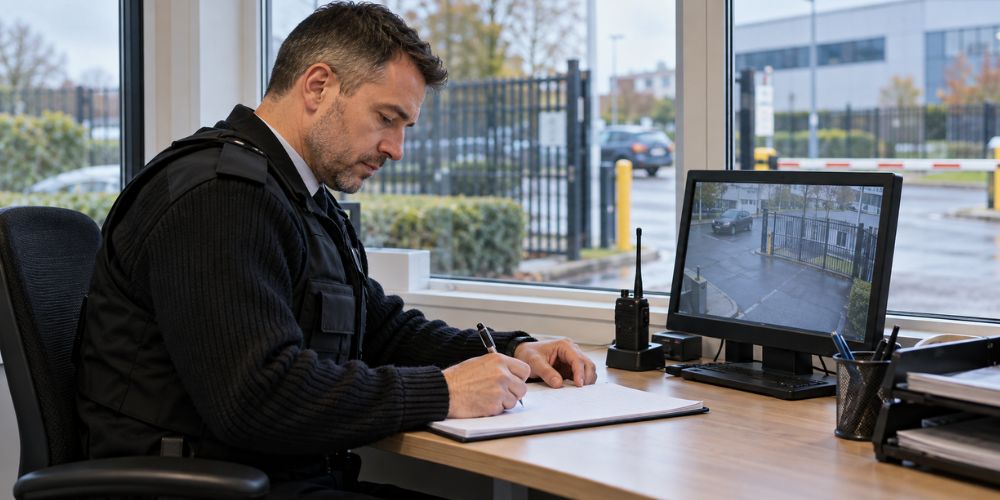
Patrols should follow the site’s security plan. If the handler finds a problem, they record what they saw and report it through the agreed channels.
Deterring Trespassing, Theft and Vandalism
A visible security dog team can make a site less attractive to someone considering trespassing, theft or damage. This can be especially useful across large outdoor areas, empty properties and sites where equipment or stock is left overnight.
Deterrence is only one part of the job. The handler still needs to observe the site carefully and respond appropriately when something happens.
Searching Buildings and Open Areas
When there is reason to believe someone has entered a property, a trained team may check the relevant area. The handler plans the search around the site layout and any known risks, keeping the dog under control throughout.
A search might cover a building, yard or perimeter. The aim is to establish what has happened and pass accurate information to the right people, while following the site’s safety procedures.
Responding to Alarms and Security Incidents
If an alarm activates, a handler may be sent to check the premises. They can look for signs of entry or damage, assess the situation and contact the nominated site representative. Where necessary, they can also follow the agreed procedure for contacting emergency services.
Clear reporting matters here. The business needs to know what triggered the response, what the handler found and what action was taken.
Monitoring Restricted Areas
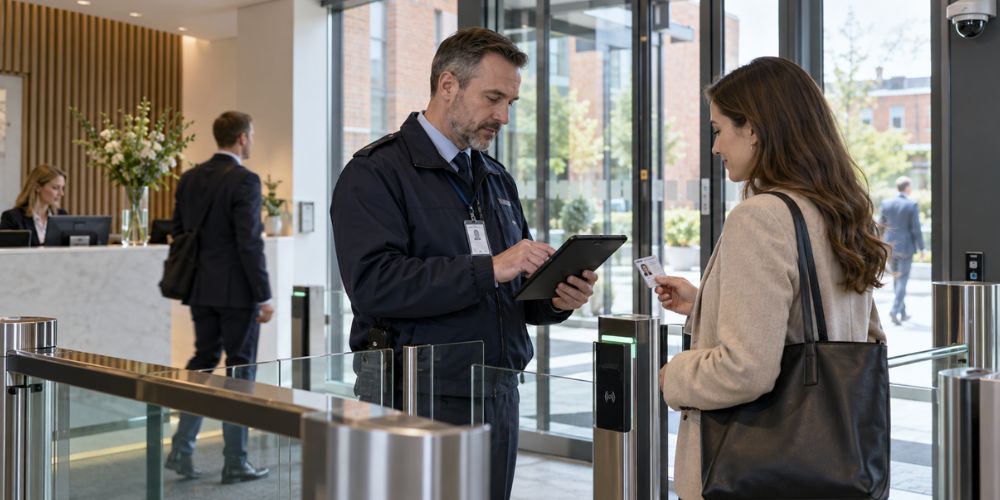
Some sites have areas that only authorised staff may enter, such as stockrooms, plant rooms or equipment yards. A security dog handler can patrol nearby and report anyone attempting to enter without permission.
The handler should know the site’s access rules so they can distinguish normal activity from a genuine concern.
Using Trained Dogs for Detection Searches
Some dog and handler teams are trained for specific detection work, such as searching for particular substances or items. This is a specialist service and should only be carried out by a team trained for that purpose.
Businesses considering detection services should ask the provider exactly what the team is trained to search for and how the search will be managed.
Maintaining Control and Caring for the Dog
The handler must be able to direct the dog reliably around employees, visitors and other members of the public. They are also responsible for the dog’s welfare, including appropriate rest, water and care during a shift.
Regular training helps the handler and dog continue to work well together. It also gives the team a chance to practise the situations they may face on site.
Essential Skills and Qualifications for Security Dog Handlers
- Dog handling skills are central to the role. The handler must understand the dog’s behaviour, give clear commands and maintain control in changing surroundings.
- Observation and judgement are just as important. A broken gate, an unfamiliar vehicle or an alarm may require different responses. The handler needs to assess what they find rather than make assumptions.
- Communication skills help the handler speak clearly with staff, managers and emergency responders. Written reports should explain what happened, when it happened and what action was taken.
- Physical fitness matters because patrols can involve long periods on foot and work across large or uneven sites.
In the UK, businesses should also check that handlers hold the SIA licence appropriate to their security duties and have suitable dog handling training. The Security Industry Authority’s licensing guidance explains how to check licensing requirements. Ask a provider about the training, assessment and insurance of the specific team assigned to your site.
When Might a Business Need a Security Dog Handler?
A security dog team can be useful when a site is large, quiet or difficult to monitor from one place. Construction sites, warehouses, industrial premises, open yards and vacant properties may all benefit from K9 security services. Dog patrols may also help businesses dealing with repeated trespassing, theft or vandalism.
At G3 FM Services, we assess your site, the risks you face and the security measures you already have. We then recommend K9 security services that fit your property, including where and when dog patrols would be most useful.
Conclusion
A security dog handler combines professional security work with the skills needed to manage a trained dog. Their responsibilities can include patrols, alarm checks, access monitoring and incident reporting, depending on the site’s needs.
At G3 FM Services, we provide K9 security services for businesses that need a visible security presence and practical site coverage. Our K9 security service includes patrols and alarm response. Contact us to discuss your property, the risks you face and the level of support you need.