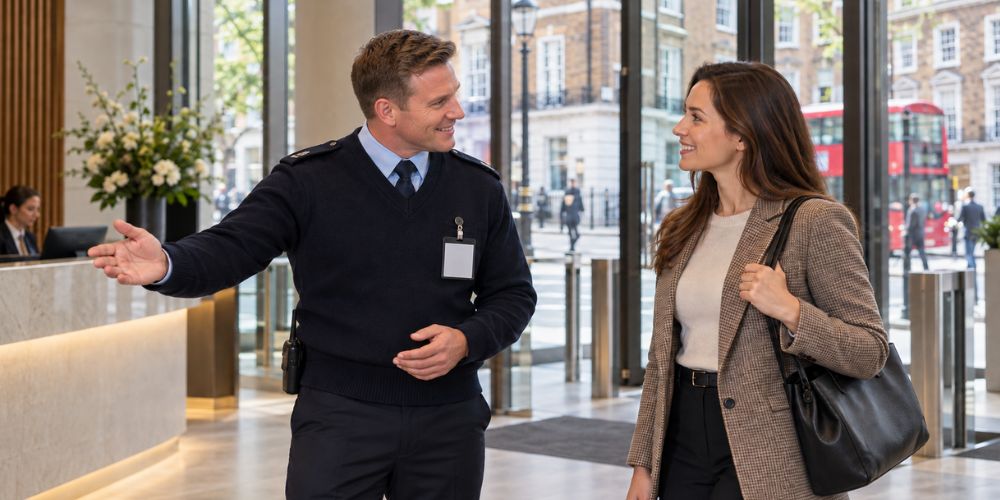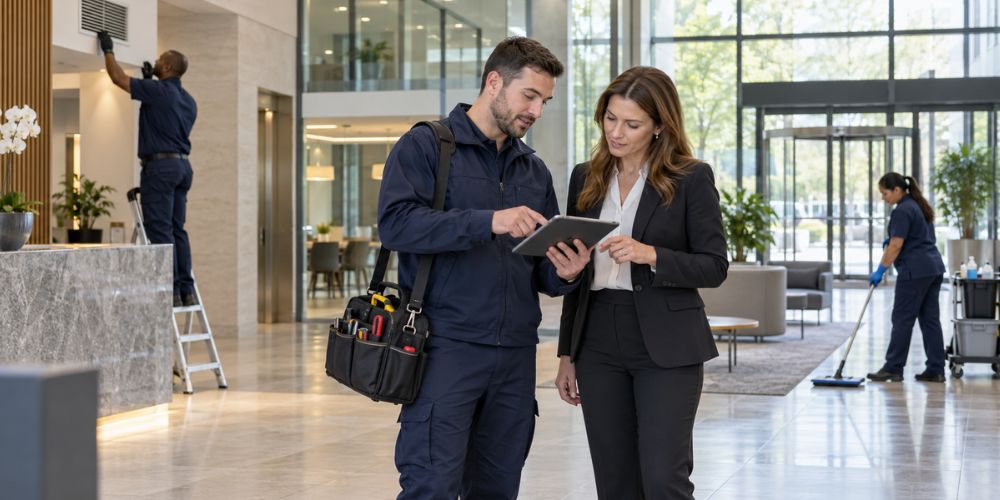
The demand for trained and dependable security guards has never been higher. From corporate offices and retail centres to residential communities and public events, professional security guards play a vital role in maintaining safety, preventing crime, and delivering peace of mind.
However, not every security guard delivers the same level of service. The performance of a security professional depends on a specific set of skills, personal qualities, and training standards. In this article, we explore the key qualities of every professional security guard, along with the importance of proper training, teamwork.
High Level of Alertness and Vigilance
One of the most critical qualities of a professional security guard is constant alertness. Security personnel are responsible for observing their environment, identifying suspicious behaviour, and responding quickly to potential threats.
A vigilant guard does not simply stand at a post, they actively monitor surroundings, analyse situations, and identify risks before they develop.
- Watching CCTV footage attentively
- Patrolling designated areas regularly
- Noticing unusual activity or behaviour
- Identifying security vulnerabilities
High vigilance helps that incidents such as theft, vandalism, or unauthorised access are prevented before they occur. In the security industry, prevention is always better than reaction.
Strong Physical Fitness
Physical fitness is another essential requirement for any professional security guard. While modern security work involves technology and monitoring systems, many situations still require physical capability.
A fit security guard is better prepared to:
- Respond quickly during emergencies
- Patrol large premises quickly
- Stand or remain active for long hours
- Handle physical confrontations if necessary
Security roles often involve long shifts, night work, and demanding environments. Therefore, maintaining good health, stamina, and strength is important for performing duties properly and safely.
Effective and Clear Communication
Communication is a key part of professional security work. Guards must interact with the public, clients, emergency services, and team members in a clear and confident manner.
Strong communication skills include:
- Giving clear instructions during emergencies
- Reporting incidents accurately
- Writing detailed security reports
- Communicating calmly under pressure
- Calming tense situations verbally
A professional security guard should also be able to adapt their communication style depending on the situation, whether dealing with a distressed individual, a visitor, or law enforcement officers.
Honesty and Ethical Behaviour
Integrity is one of the most important traits in the security industry. Security guards are often placed in positions of trust, where they may have access to sensitive information, valuable property, and restricted areas.
A trustworthy security guard shows:
- Honesty in reporting incidents
- Respect for confidentiality
- No involvement in corruption or misconduct
- Fair treatment of all individuals
Ethical behaviour helps build public trust and strengthens the reputation of the security company they represent. Without integrity, even the most skilled guard cannot perform smoothly.
Quick Thinking and Fast Decision-Making
Security situations can change within seconds. A professional security guard must be able to think quickly and make sound decisions under pressure.
This includes:
- Assessing threats rapidly
- Choosing appropriate responses
- Acting decisively during emergencies
- Prioritising safety of people and property
For example, during a fire alarm or security breach, there is no time for hesitation. Guards must follow protocols while also using judgement to adapt to the situation.
Strong decision-making skills often determine whether a situation is controlled or develops further.
Understanding of Security Protocols
A professional security guard must have a thorough understanding of security procedures and protocols. This knowledge supports consistency, compliance, and effective response to incidents.
Key areas include:
- Emergency evacuation procedures
- Fire safety regulations
- Access control systems
- Incident reporting processes
- Health and safety guidelines
Understanding these protocols allows security personnel to act correctly in all situations. It also helps maintain compliance with legal and organisational standards.
Professionalism and Customer Service
Modern security guards are not only protectors but also representatives of the organisation they serve. This means they must display a high level of professionalism and customer service skills.
Professional behaviour includes:
- Dressing appropriately in uniform
- Being polite and respectful
- Handling complaints calmly
- Assisting visitors and customers
- Maintaining a positive attitude
In many environments such as shopping centres, hotels, and corporate buildings, security guards are the first point of contact. Their behaviour directly impacts the public image of the business.
Excellent customer service skills help create a safe and welcoming environment while maintaining authority.
Adaptability and Problem-Solving
No two security situations are the same. A skilled security guard must be adaptable and capable of solving problems in real time.
Adaptability involves:
- Adjusting to different work environments
- Handling unexpected incidents
- Managing changing security risks
- Working in various shifts and conditions
Problem-solving skills allow guards to assess situations logically and determine the best course of action. Whether dealing with crowd control, access issues, or emergencies, adaptability helps maintain strong performance under pressure.
Proper Training and Certification
Training is the foundation of a successful security career. Without proper education and certification, even the most physically capable individual cannot perform properly in a professional security role.
A well-trained security guard typically undergoes:
- Basic security training courses
- First aid and emergency response training
- Fire safety certification
- Legal and compliance training
- Conflict management training
In the UK, security professionals are often required to hold an SIA (Security Industry Authority) licence, which ensures they meet national standards.
Proper training improves confidence, builds skills, and supports that guards can respond appropriately in all situations.
Teamwork and Leadership Skills
Security operations often involve working in teams, especially in large buildings, events, or industrial sites. Therefore, teamwork is essential.
A good security guard must be able to:
- Coordinate with colleagues
- Follow instructions from supervisors
- Support team members during incidents
- Share important information promptly
Strong teamwork and leadership deliver performance and consistency across all security operations.
The Role of a Security Guard Company
A professional security guard company plays a crucial role in maintaining high standards across the security industry. It is not just about hiring guards, but also about making sure they are properly trained, supported, and managed to deliver reliable protection. A reputable security company focuses on proper recruitment and background checks, comprehensive training programmes, regular performance reviews, ongoing professional development, and the deployment of well-equipped personnel. These measures help maintain that security staff are fully prepared to handle a wide range of situations with confidence and professionalism.
In addition, security companies help maintain compliance with legal requirements and industry standards, helping clients receive dependable and professional security services tailored to their specific needs. A strong emphasis on accountability also means that guards are encouraged to perform their duties responsibly, ethically, and consistently. G3 FM Services stands out for delivering expert security solutions with a focus on professionalism, training, and client satisfaction, helping safety and protection remain a top priority at all times.
Conclusion
Professional security guards are essential in maintaining safety, preventing crime, and securing peace of mind in a wide range of environments. However, the success of a security guard depends on more than just presence, it requires a combination of skills, training, and personal qualities.
From alertness and physical fitness to communication, integrity, and decision-making, each trait plays a vital role in shaping a competent security professional. Proper training and certification further strengthen their ability to respond to real-world challenges.