Space management is an important part of managing a commercial building. It involves understanding how different areas of a property are used and making sure the available space supports the needs of the business.
For facilities management teams, having a clear understanding of how a building is used can make it easier to plan maintenance, cleaning, security, storage and other services. Good space management can also help businesses identify areas that are underused, overcrowded or no longer suitable for their current needs.
As businesses change, the way they use their buildings can change too. Staff numbers, working patterns, equipment, storage needs and business activities can all affect how much space is needed and how it should be managed. Regularly reviewing space use can therefore support better facilities management decisions.
What is Space Management?
Space management is the process of organising and monitoring how physical space within a building is used. This can include offices, meeting rooms, storage areas, reception areas, shared spaces, corridors and other parts of a property.
The aim is not simply to fit as many people or activities into a building as possible. Good space management means making sure areas are suitable for their intended use and that the facilities supporting them are planned accordingly.
Facilities management teams can use information about space usage to understand where maintenance, cleaning, security and other services are needed. This can help businesses manage their premises based on actual requirements rather than outdated assumptions.
How Does Space Management Improve Facilities Management?
Space management can have a direct impact on how facilities services are planned and delivered. When businesses understand how their premises are being used, facilities teams can make better decisions about the services required in each area. Some of the main benefits include:
- Better planning of cleaning and maintenance
- More suitable use of available space
- Improved management of shared areas
- Better planning for security and access
- Easier identification of underused areas
- More organised storage
- Better preparation for workplace changes
A clear approach to space management can therefore support the wider management of a building.
Better Planning for Cleaning and Maintenance
Not every area of a building is used in the same way. Some spaces may need more frequent cleaning and maintenance because they are used more often than others.
Facilities teams can consider factors such as:
- How often the area is used
- The number of people using the space
- Areas with high foot traffic
- Shared spaces such as kitchens and washrooms
- Meeting rooms and reception areas
- Areas that are rarely occupied
For example, a busy meeting room may need more frequent cleaning and inspection than an office that is rarely used. High-traffic corridors may also require closer attention because they receive regular daily use. Understanding these differences can help businesses plan facilities services around actual needs and use their resources where they are most required.
Making Better Use of Available Space
Poor use of space can leave businesses paying for areas that provide little practical value. Empty offices, unused meeting rooms, excessive storage and poorly planned work areas can all reduce the value businesses get from their premises. A space management review can help identify:
- Areas that are regularly underused
- Rooms that no longer match business needs
- Storage that is taking up unnecessary space
- Areas that have become overcrowded
- Shared facilities that need better planning
- Space that could be used for another purpose
Once these issues are understood, businesses can decide whether areas need to be reorganised, repurposed or managed differently.
Supporting Workplace Changes
Businesses do not always use their premises in the same way over time. Changes in staff numbers, departments, working patterns and equipment can all affect how much space is needed and how different areas should be managed. When reviewing workplace space, facilities teams may need to consider:
- Changes in staff numbers
- Departments moving to different areas
- New or changing working patterns
- Additional workstations or equipment
- Increased storage requirements
- New meeting or shared spaces
- Areas that are no longer regularly used
For example, a growing business may need more workstations, storage or meeting areas, while a business with fewer employees may have rooms that are no longer needed. Regularly reviewing how space is being used can help facilities teams adapt their services as the needs of the business change.
Improving Security and Access Management
The way people move around a building can affect how access and security are managed. Different areas may have different access requirements depending on who uses them and what activities take place there. Facilities teams can review areas such as:
- Main entrances and reception areas
- Staff-only areas
- Storage rooms
- Restricted or controlled areas
- Emergency and access routes
- Areas used by visitors or contractors
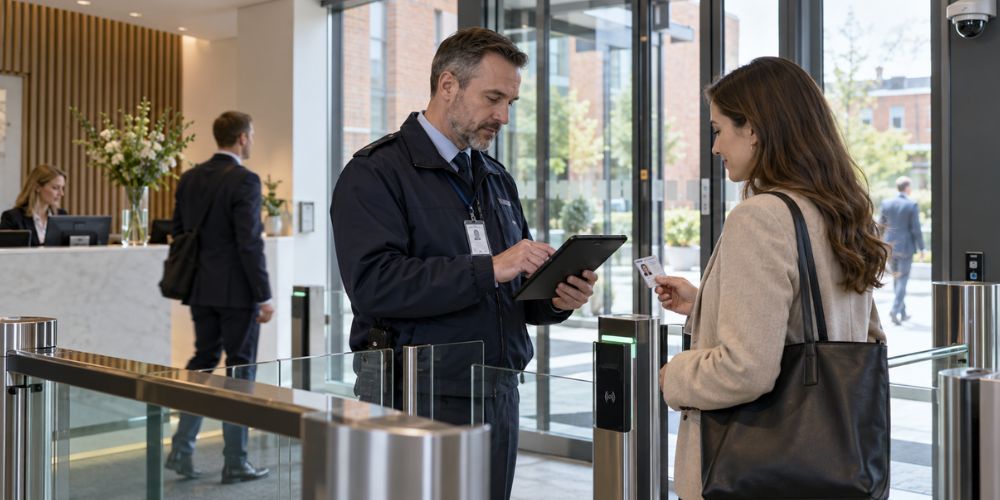
Understanding how these spaces are used can help businesses identify where access controls or additional monitoring may be needed. It can also help facilities teams plan maintenance work around busy areas and reduce unnecessary disruption. A clear understanding of the building layout can support better coordination between facilities, security and other teams.
Managing Storage More Effectively
Storage areas can become difficult to manage when businesses do not regularly review what they are keeping and where items are stored. Unused equipment, old furniture, documents and other items can gradually take up valuable space. A space management review can help businesses look at:
- Equipment and furniture that is no longer being used
- Documents and other stored materials
- Available storage capacity
- Items taking up corridors or working areas
- Storage areas that need reorganising
- Space that could be used for other purposes
Keeping storage areas organised can make it easier for staff and maintenance teams to access the items they need. Good storage planning can also help keep useful workplace areas clear and make movement around the building easier.
Supporting Health and Safety
The way a workplace is organised can affect the safety of the people using it. Poorly planned spaces may lead to blocked walkways, restricted access, overcrowded areas or unsuitable storage arrangements. When reviewing workplace space, facilities teams can check:
- Clear walkways and traffic routes
- Access to entrances and exits
- Suitable storage arrangements
- Available space around equipment
- Lighting and ventilation
- The condition of workplace equipment
- Areas that may become overcrowded
Regular space reviews can help businesses identify areas where the layout or use of a space needs attention. Keeping the workplace well organised can support wider health and safety arrangements while also making maintenance easier to manage.
Helping Facilities Teams Plan Services More Effectively
Facilities management involves more than looking after the physical building. Teams also need to plan the services required to support the people using the workplace. Having up-to-date information about how different areas are used can help facilities teams plan:
- Building maintenance
- Cleaning services
- Security services and access
- Space planning
- Equipment and asset management
- Health and safety arrangements
- Repairs and routine inspections
Accurate information can help facilities teams make decisions based on the current needs of the workplace rather than relying on old floor plans or outdated assumptions. Regularly reviewing how space is being used can help businesses keep their facilities services aligned with the way the workplace operates.
Why Regular Space Reviews Matter
Space management should not only be considered when a business moves into a new building or carries out a refurbishment. The way a workplace is used can change without the physical building changing. Staff numbers, working patterns, storage requirements and business activities can all affect how different areas are used.
Regular reviews can help businesses identify these changes and decide whether facilities services still match current requirements. This can be particularly useful for businesses with larger premises, multiple departments or buildings that have changed significantly over time.
How Technology Can Support Space Management
Technology can make it easier for businesses to understand how their premises are being used. Depending on the size and complexity of the building, businesses may use room booking systems, occupancy information, digital floor plans or workplace management software. These tools can help facilities teams keep information about rooms, occupancy and building use more up to date.
However, technology is not the only solution. Regular site inspections, current floor plans and communication with the people using the workplace can also provide useful information for facilities management decisions.
How Facilities Management Company Can Help
At G3 FM Services, we understand that effective facilities management starts with understanding how a workplace is used. The condition, layout and daily use of a building can all affect the services it requires.
Our facilities management support can help businesses manage their premises, including planned maintenance, building inspections, repairs and other day-to-day facilities requirements. By keeping facilities under regular review, businesses can identify areas that need attention and make better decisions about how their premises are managed.
If you are looking for facilities management support for your commercial property, contact G3 FM Services to discuss your requirements.
Conclusion
Good space management can help businesses make better use of their premises while supporting the facilities services needed to keep the workplace running properly. By understanding how different areas are used, businesses can plan cleaning, maintenance, access, storage and other requirements more effectively.
As workplace needs change, regular space reviews can also help facilities teams adapt their services and identify problems before they become more difficult to manage.
For businesses looking to improve the way their premises are managed, space management can be a useful part of a wider facilities management approach.