Protecting your property takes more than locking the doors at night or installing a security camera. You also need to spot weak points, control who can enter, and make sure staff know what to do if something seems wrong.
Whether you manage an office, warehouse, shop, or other commercial property, practical security measures can help reduce the risk of theft, vandalism, trespassing, and unauthorised access. Here are 12 ways to make your property more secure.
Assess Security Risks on Your Property
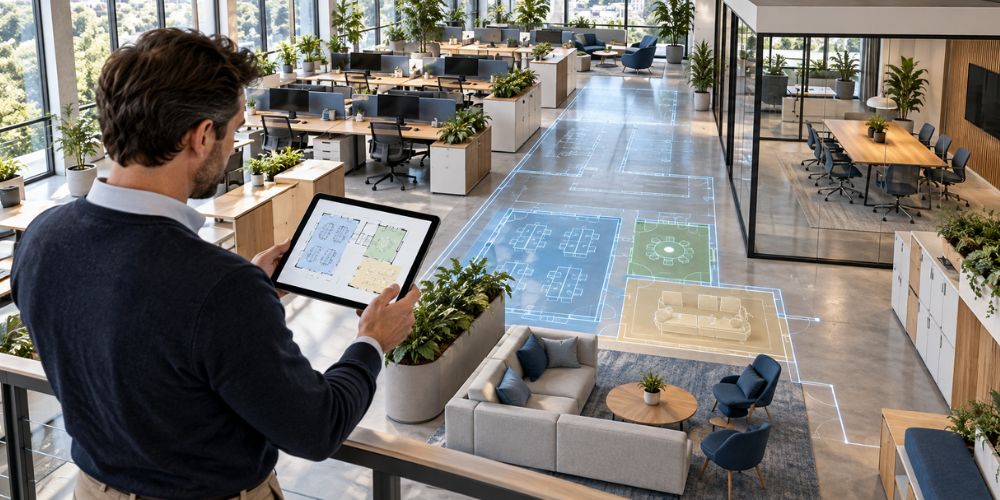
Walk around your property as if you were visiting it for the first time. Check the front entrance, side paths, rear doors, windows, gates, garages, and storage areas. Notice anything that would give someone easy access or a place to hide.
Do the walk during the day and after night. A doorway that looks visible in daylight may be poorly lit at night. If you run a business, check what happens outside opening hours and during deliveries, when doors may be left open.
Write down what you find and deal with the easiest problems first. Fixing a broken lock or clearing plants that block a camera may do more for your security than buying new equipment straight away.We recommend you assess the property and combine measures such as sound locks, lighting, alarms, and surveillance where they are needed.
Secure All Doors and Windows
Doors and windows deserve close attention because they are common ways into a building. Check that each external door fits its frame, closes properly, and has a suitable lock. Repair loose hinges, damaged frames, and faulty locks promptly.
Do not overlook less obvious entrances. A back door, ground-floor window, garage, or door between a business’s public and private areas may be easier to reach than the main entrance. Keep windows locked when the building is empty, and avoid leaving keys where they can be seen or reached from outside.
Improve Lighting Around Your Property
Good lighting helps people see entrances, paths, parking areas, and other places where someone might approach the building. Check for dark spots near doors, gates, bins, and outbuildings.
Motion-activated lights can help at entrances or alongside paths. For areas used regularly after night, steady lighting may make it easier for residents, staff, or visitors to move around safely. Position lights so they illuminate the space you need to see without shining directly into a neighbour’s window or a driver’s view.
Lighting works best when people can actually see the area it covers. Trim plants that block sightlines, and replace failed bulbs as soon as you notice them.
Monitor Key Areas With Security Cameras
CCTV can help you see activity at entrances, gates, parking spaces, and other vulnerable points. Recorded footage may also be useful if an incident occurs. Cameras are most helpful when they capture clear images of the areas that matter.
Before installing them, decide what each camera needs to show. An entrance camera might need a clear view of visitors, while a camera over a yard may need to show movement near a gate. Check image quality in both daylight and darkness, and make sure plants, signs, or parked vehicles do not block the view.
Manage Visitors and Staff Access
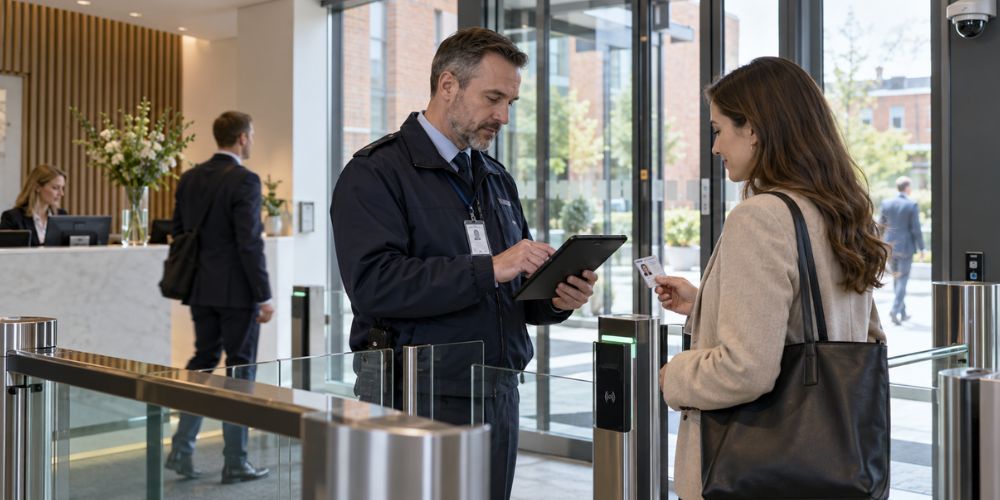
Security becomes harder to manage when nobody knows who has access. Keep track of keys, entry codes, and access cards. When a key is lost or someone no longer needs access, act promptly to remove that access.
For a business, decide which areas are open to customers and which are for staff only. Give employees access to the spaces they need for their jobs, and set a simple process for visitors and contractors. Staff should know what to do if someone enters a restricted area or follows an authorised person through a secure door.
At home, the same principle applies on a smaller scale. Be careful about who has spare keys, and check who is at the door before letting them in.
Keep Gates and Fences Secure
A fence, wall, hedge, or gate can show where private property begins and help guide visitors towards the right entrance. Check that gates close properly and that damaged fencing does not leave an easy opening.
Pay attention to what is stored near the boundary. Bins, ladders, or stacked materials may make it easier to reach a window or climb over a fence. Move them to a secure location when possible.
A boundary should also help you to see what is happening around the property. Overgrown shrubs can block lighting and camera views, so include them in routine maintenance.
Install a Reliable Alarm System
An alarm can alert people to an attempted entry and may discourage someone from staying on the property. Choose a system that covers the points you most need to protect, then make sure the people who use the building know how to operate it.
Think through what happens when the alarm sounds. Who receives the alert? Who can check whether it is genuine? Who will call for help if necessary? An alarm that nobody can respond to has limited value.
Protect Valuables and Important Documents
Keep cash, keys, portable equipment, and important documents out of sight. Store valuable items in a locked cabinet or other secure place so they are harder to access if someone enters the property.
For a business, decide which staff members need access to stockrooms, records, or expensive tools. Keep an up-to-date inventory of valuable equipment, including identifying details where available. This can help you spot a loss and provide accurate information if you need to report one.
Digital records need attention too. Back up important files and restrict access to sensitive information, particularly on shared computers or devices kept on site.
Set Up a Process for Reporting Suspicious Activity
People are more likely to report a concern when they know whom to contact. Make the process straightforward, note what was seen, where and when it happened, and who needs to be told.
For a business, give staff a clear contact for concerns such as a damaged lock, an unfamiliar person in a restricted area, or signs of attempted entry. Encourage them to report what they observed without approaching or confronting anyone.
Train Staff on Security Procedures
Security equipment only helps when people use it consistently. Show staff how to lock up, set the alarm, manage visitors, and report problems. Include these steps in training for new employees rather than relying on them to learn informally.
Keep instructions short enough to use on a busy day. A closing checklist, for example, can cover doors, windows, valuables, lights, and the alarm. Assign responsibility so each person knows which tasks are theirs.
Refresh the training when access arrangements change or an incident shows where procedures need improvement.
Inspect and Update Your Security Measures
Check your security measures regularly to make sure they still work. Test locks, lights, cameras, and alarms, and check that the right people have access to the property. Repair faults and remove access for staff who have left.
Check again after a break-in, a change in how the building is used, or the addition of a new entrance. Keep a record of any problems and when they were fixed. A simple routine makes it easier to spot issues before they are overlooked.
Consider Hiring Professional Security
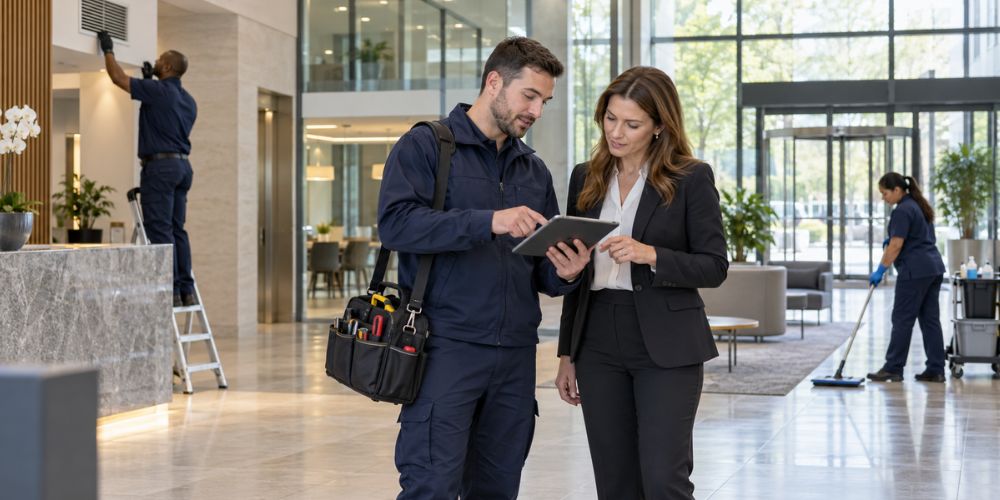
Some properties need more support than locks, lights, and cameras can provide. If your business has valuable stock, frequent visitors, a large site, or recurring incidents, professional security may help you manage those risks.
At G3 FM Services, we start by understanding your property and the concerns you face. Whether you need help managing access, monitoring the site, or reviewing your current security arrangements, we can discuss the level of support that suits your needs.
Contact G3 FM Services to talk through your security concerns and find a practical way forward.
Conclusion
Protecting your property starts with everyday basics: secure the entrances, keep vulnerable areas visible, control access, and make sure someone knows how to respond when a problem occurs. Cameras, alarms, and professional support can add protection where the risks justify them.
Walk the property, make a list of weak spots, and tackle the most urgent ones first. Then check your measures regularly so they continue to work when you need them.