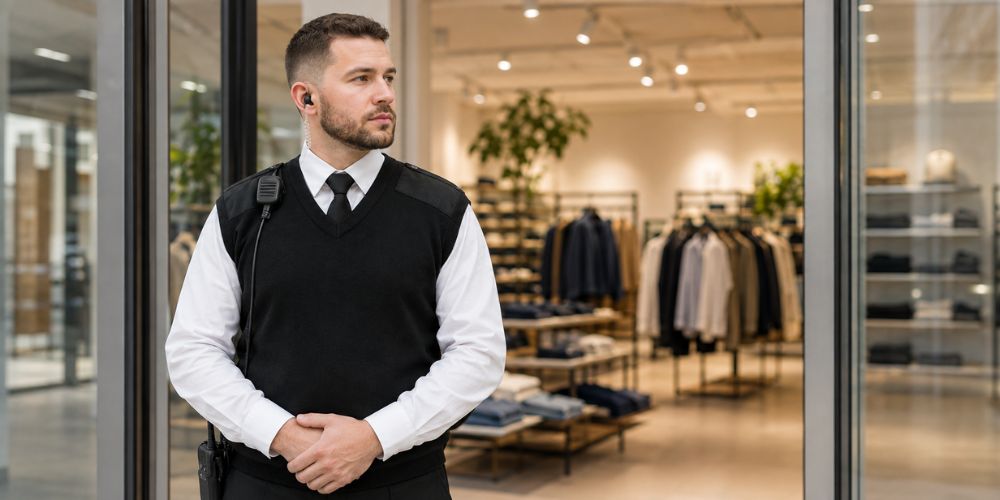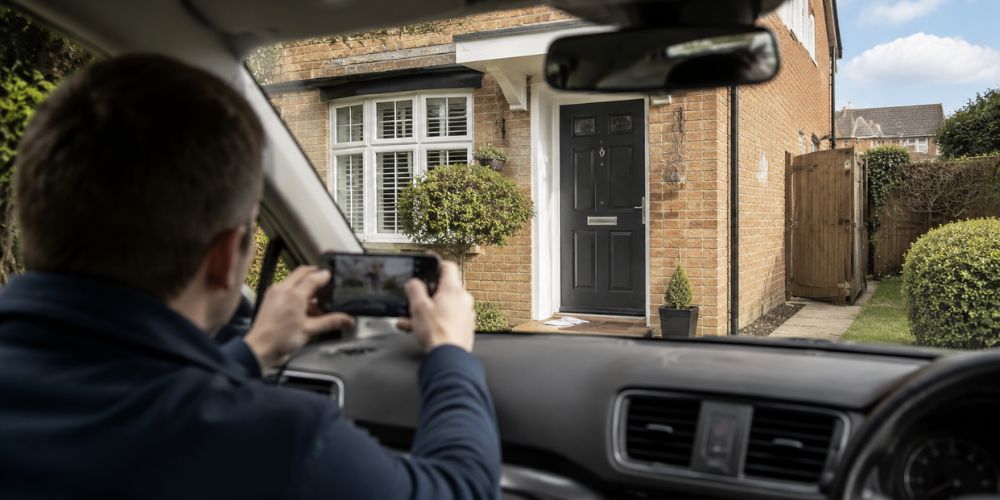
Embassies serve as critical institutions for maintaining diplomatic relations between countries. They house sensitive governmental activities, protect international treaties, and often store confidential information. Given the nature of the work carried out within embassies, security is a top priority. This is where the role of security guards comes into play. Security guards at embassies are entrusted with a range of with a range of responsibilities that safeguard the embassy, its staff, and the sensitive materials within. Their duties go far beyond simple access control, they are responsible for protecting national security, preventing potential threats, and managing emergencies.
The Role of a Security Guard at An Embassy
At its core, the primary function of a security guard at an embassy is to provide a secure environment for diplomats, embassy staff, and visitors. Embassies are often high-profile targets for espionage, protests, and terrorist activities. As such, the security activities within an embassy must be extensive and thorough. Security guards are the first line of defence, responsible for preventing unauthorised access, handling potential security breaches, and making sure a quick response to emergencies. Their role involves staying alert and working closely with law enforcement, embassy staff, and other security professionals to keep everything secure.
Security and Patrols
Security guards are responsible for conducting regular patrols inside and outside the embassy. This is a key duty, as it keeps all areas monitored for any signs of suspicious activity or potential threats. The patrols are carried out at regular intervals to check the security of entry points, surveillance systems, and essential infrastructure like emergency exits, fire safety systems, and communication lines.
Guards are also responsible for monitoring the perimeter of the embassy. This includes inspecting fences, gates, and other security barriers. Regular patrols help identify any vulnerabilities that could be exploited by individuals with malicious intent. By conducting these checks, security guards can quickly address issues before they develop into larger security concerns. Their presence also acts as a deterrent to potential intruders.
VIP Visit Preparations
Embassies frequently host high-profile visitors, including diplomats, political leaders, and government officials. When such VIPs visit, heightened security measures are essential. Security guards play a critical role in managing these visits, ensuring the safety of dignitaries and overseeing the security protocol.
Their responsibilities include securing transportation routes, screening visitors, and identifying potential threats. In collaboration with local law enforcement and specialised security teams, guards work to prevent any harm to the visiting dignitaries. During these events, they oversee access points, manage crowds, and handle any unexpected situations that may arise. Given the significance of these visits, the role requires meticulous attention to detail, strong coordination, and swift action in case of emergencies.
Mail and Parcel Screening
Embassies are prime targets for attacks, including the delivery of dangerous or hazardous materials through the mail. To reduce this risk, security guards are responsible for screening all incoming parcels and mail. This often involves scanning packages using X-ray machines, inspecting items for dangerous substances, and carrying out physical inspections when necessary.
Given the global nature of the threats faced by embassies, the mail screening process is highly thorough. Security guards must be trained to identify any suspicious packages or items that could contain explosives, biological agents, or other dangerous materials. Mail and parcel screening is one of the most important tasks performed by security guards.
Routine Security Checks
Routine security checks are a fundamental part of the daily responsibilities of embassy security guards. These checks confirm that the embassy’s security infrastructure remains intact and functioning properly. Guards are tasked with inspecting alarm systems, surveillance cameras, access control systems, and emergency exits.
They verify that fire safety equipment, such as extinguishers, alarms, and sprinklers, are in working order. These checks are vital for maintaining a safe environment and ensuring that the embassy can respond to emergencies quickly and effectively. Guards may also perform routine checks of storage areas, secure rooms, and vaults where sensitive materials are kept. This vigilance is crucial in protecting national secrets and diplomatic documents.
Search and Screening
Before anyone enters an embassy, security guards conduct thorough screenings to prevent unauthorized items or individuals from gaining access. This involves checking bags, using metal detectors, and sometimes performing physical searches. Guards also inspect vehicles entering or leaving the embassy grounds.
Given the sensitive nature of embassy operations, it is vital that no dangerous items, such as weapons or explosives, pass through security undetected. This process helps protect both staff and visitors. Guards are trained to identify suspicious behaviour and make informed decisions about who is permitted entry.
Access Control
Access control is a crucial responsibility for embassy security guards. They verify that only authorised personnel are allowed entry into the building, checking the credentials of staff, diplomats, and visitors. This includes confirming identification, security passes, and appointments to make certain that only those with the appropriate clearance can enter.
Guards also monitor access to sensitive areas within the embassy, such as secure rooms, vaults, and diplomatic offices. Unauthorised access to these areas could national security, making it essential for guards to remain vigilant and uphold strict protocols.
Cooperation with Law Enforcement
Security guard services at embassies often work in collaboration with local law enforcement to safeguard the embassy and its personnel. This cooperation is crucial, particularly during times of heightened risk or when there is an ongoing security threat. Guards may share intelligence with law enforcement, assist in responding to incidents, and follow their guidance during emergencies.
In addition to handling immediate threats, security guards and law enforcement agencies collaborate to identify and neutralise potential risks. This partnership helps establish a comprehensive security strategy that addresses both internal and external threats. It also guarantees that law enforcement is prepared to take control in the event of a serious security breach.
Crowd Control
Embassies are often targets for protests, demonstrations, or large public gatherings. Security guards are responsible for managing these crowds and preventing them from becoming a threat to the embassy or its staff. In addition to monitoring the crowd, guards may need to step in if the situation turns violent or disruptive.
Crowd control involves several tactics, such as managing entrances, setting up barriers, and coordinating with local law enforcement to keep the crowd peaceful. Guards are trained to calm tensions and prevent the crowd from escalating. Their primary aim is to maintain order and protect the safety of embassy personnel and visitors.
Reporting and Documentation
Accurate reporting is essential for maintaining embassy security. Security guards are responsible for documenting all security-related incidents, from access control breaches to emergency responses. These reports help create a record of events, which can be used for future reference, investigation, and training purposes.
Incident reports, security guards also maintain daily logs of their activities, such as patrols, screenings, and routine checks. By keeping these logs, the embassy upholds transparency, accountability, and consistency in its security procedures.
Conducting Security Drills
Regular security drills are crucial for making certain that security guards are prepared for emergencies. These drills simulate a variety of potential threats, such as bomb threats, fire evacuations, or terrorist attacks. Guards participate in these drills to practice their response time, coordination with other personnel, and adherence to established protocols.
Drills help guards stay sharp and ready to handle real-world security incidents. They also make sure that all embassy staff are familiar with emergency procedures and know what to do in the event of a crisis.
Conclusion
Security guards play a vital role in maintaining the safety and security of embassies worldwide. Their duties extend far beyond simple access control, encompassing a wide range of responsibilities, from routine security checks and visitor screenings to VIP protection and crowd control. The role of a security guard at an embassy is multifaceted and requires a high level of vigilance, preparedness, and cooperation with law enforcement agencies.
Through their dedicated work, security guards help establish a safe environment for embassy personnel, diplomats, and visitors, allowing the embassy to carry out its diplomatic duties smoothly. Their role is of utmost importance, as they act as the first line of defence against any threats to national security and diplomatic relations.