In an era where safety concerns are growing, physical security is becoming a critical element in protecting both people and property. While digital security is widely discussed, physical security remains just as vital in preventing theft, damage, and safeguarding the overall safety of an environment. Whether for residential, commercial, or industrial spaces, physical security measures serve as the first line of defense against unwanted threats. With the increasing complexity of criminal tactics, the need for robust physical security systems has never been more important. These security services not only protect valuable assets but also provide peace of mind for individuals and businesses alike.
What is Physical Security?
Physical security refers to measures designed to protect physical assets, spaces, and individuals from unauthorised access, theft, or harm. This form of security goes beyond electronic barriers and focuses on tangible systems, such as locks, gates, surveillance cameras, and security personnel. The objective is to create a secure environment by reducing vulnerabilities and reducing risks. Effective physical security is essential for safeguarding property and people. Security works together to establish layers of protection that deter, detect, and respond to various threats.
Importance of Physical Security
The significance of physical security can be seen across different industries and settings. It plays a key role in protecting valuable assets, confidential information, and the safety of people within an environment. Below are some of the main reasons physical security is essential:
Protecting Individuals
The primary purpose of physical security is to protect people. Whether in the workplace, at home, or in public spaces, protecting the safety of individuals from harm or violence is crucial. Effective physical security prevents unauthorised access, making it more difficult for criminals to target vulnerable individuals.
Protecting Property and Assets
Physical security also helps safeguard tangible assets, such as equipment, merchandise, and infrastructure. Business operations, inventory, and personal belongings are all at risk without proper protection. From surveillance cameras to access controls, these security measures help deter and prevent theft or vandalism.
Reducing Risk and Liability
Implementing strong physical security protocols reduces the potential for damage, theft, or injury. For businesses, this leads to fewer incidents and lower insurance claims, which can result in reduced premiums. For homeowners, it reduces the chances of expensive break-ins or property damage.
Peace of Mind
One of the most significant benefits of physical security is the peace of mind it offers. Whether it’s employees working in a secure environment or homeowners knowing their property is protected, security helps individuals feel safe and secure, allowing them to focus on other priorities.
Key Components of Physical Security
To provide adequate protection, physical security incorporates several key components that work together to safeguard a space. The most common components include:
Access Control Systems
Access control systems are one of the most essential parts of physical security. These systems manage who can enter and exit a building. They include locks, electronic key cards, biometrics, and PIN codes that restrict access to authorised individuals only. With access control, businesses and homeowners can prevent illegal entry into restricted spaces.
Perimeter Security
Perimeter security involves the establishment of physical boundaries that restrict access to a property or facility. This can include fences, walls, gates, and natural barriers. Perimeter security also integrates surveillance systems and motion sensors to detect potential intruders attempting to breach the boundary.
Security Personnel
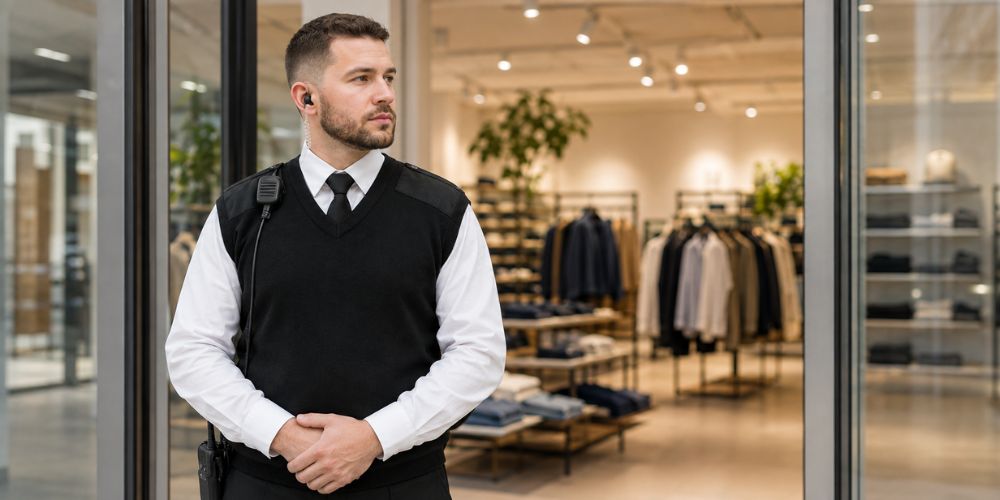
Although modern technology plays a large role in physical security, human presence remains indispensable. Security guards are trained to monitor activity, respond to threats in real-time, and manage security systems effectively. Their presence serves as an additional safeguard, allowing them to address potential threats before they develop further.
Surveillance Systems
Surveillance cameras are key for monitoring activity around a property. They help identify suspicious behavior and offer valuable evidence during security incidents. With the latest technology, these systems allow for remote monitoring and continuous observation, making it easier to detect security breaches early.
Intrusion Detection Systems
Intrusion detection systems are designed to detect unauthorised attempts to access a secured area. Using sensors on windows, doors, and walls, they monitor for movement or pressure changes. When an intrusion is detected, alarms alert security teams or property owners, enabling a swift response.
Common Physical Security Threats
Despite all the preventive measures in place, physical security systems face several types of threats. Some of the most common include:
Unauthorised Access
Unauthorised entry occurs when someone gains access to a secured area without permission. This can happen by bypassing access controls, using stolen credentials, or breaching physical barriers. Such entry may lead to theft, property damage, or more severe consequences.
Theft and Burglary
Theft is a major concern for both businesses and homeowners. Criminals often target high-value items, such as electronics, cash, and inventory. Proper physical security systems, including surveillance, access control, and alarm systems, are critical for preventing theft and burglary.
Vandalism
Vandalism is the intentional damage of property, like breaking windows, damaging fences, or defacing buildings. While it might not always cause major financial loss, it can be disruptive and expensive to fix. Surveillance cameras, good lighting, and security personnel can help prevent vandalism.
Areas Where Physical Security is Important
Physical security is vital in a wide range of environments, from residential areas to commercial sites. Some of the most common areas where security is crucial include:
Residential Areas
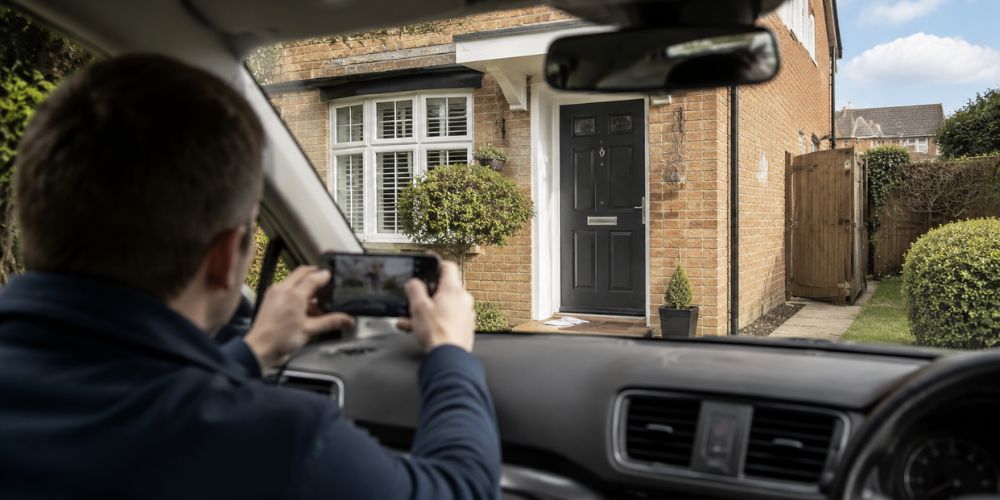
For homeowners, protecting loved ones and property is a top priority. Security such as alarms, cameras, and access control measures can prevent break-ins and unauthorised entry, offering peace of mind for families.
Commercial Sites
Businesses of all sizes rely on physical security to protect assets, inventory, and employees. From retail stores to warehouses, commercial properties need comprehensive security measures, including access control, surveillance, and security personnel to safeguard against theft, vandalism, and other risks.
Industrial & Warehouse Facilities
Industrial sites and warehouses often store valuable materials and equipment. Without proper security, these assets are vulnerable to theft and damage. Access control, perimeter security, and security manned guard are essential for safeguarding these locations.
Offices & Corporate Sector
Offices and corporate buildings store sensitive information, confidential data, and intellectual property. Physical security measures like keycard access, surveillance, and emergency response protocols help protect both the assets and the people working in these spaces.
How to Choose the Right Physical Security Guard in the UK
When selecting a physical security guard in the UK, it’s essential to assess their qualifications and experience. A well-trained security guard should hold relevant certifications and have a thorough understanding of safety protocols. Look for guards with experience in your specific industry or type of property, whether residential, commercial, or industrial. The ideal candidate should be flexible and able to adapt to various situations, making sure your property remains secure at all times.
At G3 FM Services, we are committed to providing trusted, professional security guards who are fully trained and experienced to meet your needs. We prioritise reliability and ensure all our guards undergo comprehensive background checks for your peace of mind. Our focus on clear communication and constant monitoring guarantees that your security needs are consistently met with quick response times and dependable service.
Conclusion
Physical security plays a vital role in safeguarding people, property, and valuable assets. By recognising its significance and adopting the right security solutions, both individuals and businesses can reduce risks and protect their environments from potential threats. Effective security measures not only help prevent unauthorised access but also provide early detection of security breaches. From residential areas to industrial sites, investing in comprehensive physical security systems offers long-term protection. It also provides peace of mind, knowing that your assets and loved ones are well protected. Prioritising physical security is an essential step towards a safer, more secure future.