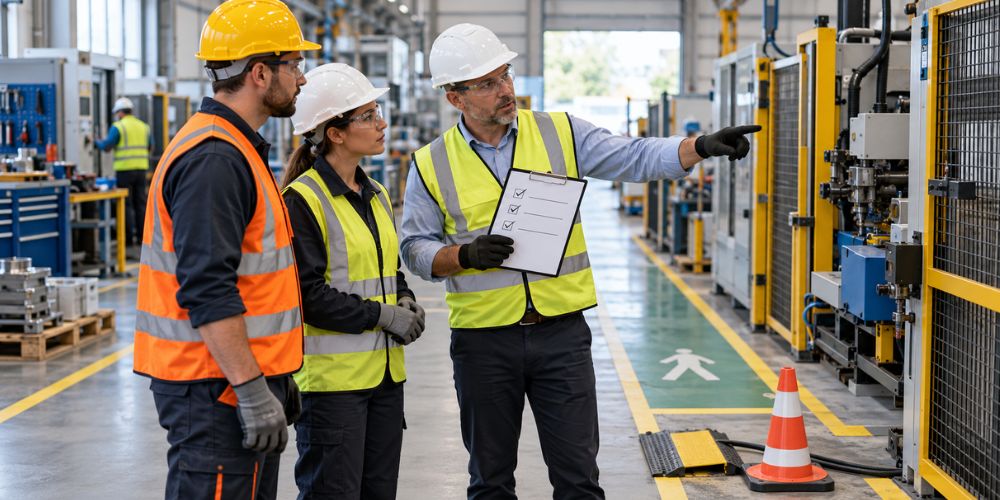
Fire safety within a business environment is not only a regulatory requirement but also a critical operational discipline that protects human life, physical assets, and continuity of work. Commercial facilities contain multiple ignition sources such as electrical systems, heating equipment, industrial machinery, and stored combustible materials. When these factors interact under uncontrolled conditions, fire incidents can develop rapidly and spread through different sections of the building. .
A structured fire safety framework is built on prevention, early detection, controlled evacuation, and trained human response. Each layer functions as part of a larger safety architecture that reduces exposure to fire-related hazards. The following sections describe the essential components of a fire safety checklist using technical and procedural considerations commonly applied in building safety management.
Fire Risk Assessments
A fire risk assessment forms the foundation of workplace fire protection planning. It involves a detailed inspection of the premises to identify potential fire starting sources, fuel availability, and environmental conditions that may support fire development. Electrical distribution systems, storage zones containing flammable substances, mechanical heat-producing equipment, and human operational behavior are typically reviewed during this process.
The assessment also considers the number of people present in the premises at different times, along with building layout, ventilation patterns and structural fire resistance. Once hazards are identified, they are recorded in a structured register, where each risk is classified based on how serious it is and how likely it is to occur. Suitable control measures are then applied, ranging from technical changes to procedural adjustments. This assessment should be repeated whenever there are changes in layout, machinery, or work processes, as these can affect how fire develops and spreads within the facility.
Fire Alarm Systems
Fire alarm systems operate as early detection networks designed to identify combustion indicators such as smoke particles, heat increase, or flame radiation. These systems typically include detection sensors, manual activation points, centralized control panels, and alerting devices that produce both audible and visual warnings.
Detector placement depends on the building design, airflow inside the space, and how many people use the area. Smoke detectors are usually installed in corridors, enclosed rooms, and ceiling spaces where smoke is likely to collect first.
The control panel receives signals from all zones and activates the alarm when set limits are reached. Regular maintenance includes checking that sensors respond correctly, making sure alarms can be heard in all areas, and confirming that backup power is working.
Any fault in the detection or alarm system can slow down emergency response, so regular testing and inspection are necessary.
Emergency Evacuation Planning
An emergency evacuation plan explains how people should move from dangerous areas to safe assembly points during a fire or other emergency. It is prepared based on the building layout, exit capacity, travel distance, and how many people the building can hold.
Evacuation routes are usually divided into main and alternate paths in case one route becomes blocked by smoke or fire. Staircases, corridors, and exit doors are designed to allow smooth movement without crowding. In multi-storey buildings, extra arrangements may be needed for people with limited mobility, such as safe waiting areas or assisted evacuation support.
The plan also includes clear communication methods such as alarms, public announcements, and assigned staff members who guide people during evacuation.
Maintenance of Routes and Exit Access
Escape routes and exits are vital paths that help people leave the building safely during a fire or emergency. These routes must always stay clear so people can move out without delay. Safety rules require that exit corridors remain open and not be used for storage, equipment placement, or temporary setups.
Fire-resistant doors are installed along these routes to stop smoke and fire from spreading between different areas. These doors automatically close when temperatures rise to help slow down the spread of fire. Emergency lights and exit signs are also installed to guide people when power fails or when smoke reduces visibility.
Regular checks are carried out to make sure exit paths are not blocked, signs are working properly, and doors are in good condition. Even small obstructions can slow down evacuation during an emergency.
Housekeeping and Combustible Load Management
Good housekeeping plays an important role in controlling fire risk inside a facility. When waste, dust, or chemicals are left unmanaged or stored improperly, the chances of fire starting increase and it can also spread faster.
Flammable materials should always be kept in proper storage areas with good ventilation and away from heat or other fire sources. Electrical cables and equipment should be arranged neatly to avoid overheating caused by tangled wires or blocked airflow. In industrial areas, dust control systems are often needed to reduce buildup of fine particles that can catch fire.
Waste should be removed regularly, especially materials like paper, packaging, and chemical residues. Hazardous substances must also be clearly labeled and stored in the correct category to avoid accidental fire risks.
Portable Fire Extinguishers
Fire extinguishers are used as the first line of response to control a fire in its early stage. Different types of extinguishers are designed for different fire sources, such as solid materials, flammable liquids, electrical equipment, and certain industrial substances.
Proper placement is important so they can be accessed quickly during an emergency. They are usually installed along exit routes, near areas with higher fire risk, and in places where many people are present. Each extinguisher should always be clearly visible, easy to reach, and not blocked by any objects.
Regular maintenance includes checking pressure levels, inspecting seals, and reviewing the overall condition of the unit. Periodic testing is also carried out to confirm that the cylinder is safe and functional. Employees should also be trained to use extinguishers correctly by following standard operating steps during an emergency.
Fire Safety Training Programs
Fire safety training helps employees understand how fires start, how they behave, and how to respond during an emergency. It usually includes basic knowledge about fire stages, what to do when an alarm sounds, how to follow evacuation steps, and how to use fire safety equipment correctly.
Practical training and practice drills are also used to help staff respond properly under pressure. Employees are taught to recognise alarm signals, find safe exit routes, and follow their assigned roles during an emergency situation.
Records of training sessions are kept to track participation and follow safety requirements. New employees are normally given basic fire safety training before they start working in the facility.
Smoking Control Policies
Smoking is a common cause of fire in many workplaces. To reduce this risk, clear rules are set that allow smoking only in specific areas that are away from storage spaces, fuel systems, and building entrances.
These designated smoking areas are provided with proper fire-safe containers so cigarette waste can be disposed of safely. Clear signs are placed throughout the facility to inform people about smoking restrictions, and these rules are regularly followed up by staff. Regular monitoring of these rules helps lower the chances of fire starting from smoking materials.
Fire Drill Implementation
Fire drills are planned exercises that implement emergency evacuation in a controlled way. They are used to check how people respond during an emergency and how well the procedures work in practice. These drills help measure how quickly alarms are responded to, how smoothly people move out of the building, and how well communication systems function.
During the drill, evacuation routes are checked for any crowding or blockage, and assembly points are used to confirm that everyone has reached safety and is accounted for. Sometimes different situations are also tested, such as blocked exits or low visibility, to see how people react under different conditions.
Hire a Fire Marshal
A fire safety officer or fire marshal is responsible for managing fire safety activities within a workplace. This includes monitoring compliance with safety procedures, supporting evacuation planning during emergencies, inspecting fire protection systems, and maintaining proper records of safety activities. G3 FM Services supply trained fire marshals to support these responsibilities and maintain structured fire safety operations across the facility.
Fire marshals provided through G3 FM Services assist during fire drills and real emergency situations by guiding occupants to safe areas, confirming full evacuation of the premises, and coordinating communication with emergency response teams when required. In larger buildings or complex sites, multiple trained marshals may be assigned across different zones to maintain proper coverage and support safe evacuation management.
Conclusion
Fire safety in business environments relies on an integrated system of risk assessment, detection technology, structured evacuation planning, and disciplined operational behavior. Each component contributes to reducing ignition probability, controlling fire spread, and supporting safe occupant movement during emergencies.
When fire protection practices are incorporated into daily operations and supported by trained personnel, the overall resilience of the workplace improves significantly.