Businesses welcome different people to their premises every day, including employees, customers, contractors and delivery drivers. However, not everyone who enters a building has permission to be there. Without proper visitor procedures, an unauthorised person could gain access to restricted areas, steal valuable items or put employees at risk.
Preventing unauthorised access requires more than locking the main entrance. Businesses need clear visitor procedures, suitable access controls and staff who understand their role in maintaining security. This guide explains common access risks and practical steps businesses can take to protect their premises.
What is Unauthorised Visitor Access?
Unauthorised visitor access occurs when someone enters a business premises or a restricted area without permission. This may happen deliberately or because security procedures are unclear or poorly managed.
For example, someone might follow an employee through a controlled entrance without showing identification. A contractor could enter an area outside their approved work zone, or a former employee might still have an active access card.
These situations can affect offices, warehouses, retail premises, construction sites and other commercial properties. Having clear rules about who can enter, where they can go and how their visit is managed helps businesses reduce these risks.
Why are Unauthorised Visitors a Security Risk?
Allowing people to enter without proper checks can expose a business to several security problems.
Theft and Property Damage
Unauthorised visitors may gain access to stock, tools, machinery, vehicles or other valuable items. Poorly monitored areas can make it easier for someone to remove property or cause damage without being noticed.
Businesses that store expensive equipment or valuable goods should pay particular attention to entrances, loading bays and storage areas.
Risks to Employees and Visitors
Unknown individuals entering a workplace can create safety concerns, particularly if they enter areas where machinery, hazardous materials or restricted operations are present.
Clear visitor procedures help employees identify who should be on site and report concerns when something appears unusual.
Access to Confidential Information
Offices and commercial premises often contain sensitive documents, customer records, financial information and computer equipment. An unauthorised person may be able to view information or access equipment simply because they have entered an area without supervision.
Restricting access to sensitive areas can help protect business information and reduce the risk of data exposure.
Disruption to Business Operations
A security incident can interrupt normal work while staff investigate what happened, check for missing items or review access records. Depending on the incident, the business may also need to repair damage, replace equipment or introduce additional security measures.
Financial and Reputational Consequences
Security incidents can result in unexpected costs and affect customer confidence. Depending on the circumstances, unauthorised access may also contribute to legal or regulatory issues, particularly where personal information or workplace safety is involved.
Common Ways Unauthorised Visitors Gain Access
Understanding how people enter without permission helps businesses identify weaknesses in their current security arrangements.
Tailgating
Tailgating occurs when someone follows an authorised person through a secure entrance without using their own access credentials. This can happen when employees hold doors open for others without checking whether they have permission to enter. Staff should understand the importance of following access procedures, even when the person entering appears familiar.
Unsecured Doors and Gates
Side entrances, rear doors, loading bays and gates may receive less attention than the main entrance. If these access points are left open or unlocked, someone could enter without passing through reception or security checks. Regular checks can help identify doors and gates that are not being managed properly.
Poor Visitor Sign-In Procedures
When visitors can enter without reporting to reception or confirming their identity, businesses may struggle to know who is on site. A clear sign-in process helps staff confirm the purpose of a visit, identify the person being visited and direct visitors to the correct area.
Lost or Outdated Access Credentials
Access cards, fobs and PINs can create security risks when they are lost, shared or left active after someone no longer needs access. Businesses should have a process for reporting missing credentials and removing access promptly when employment or contractor arrangements end.
Unauthorised Identity Use
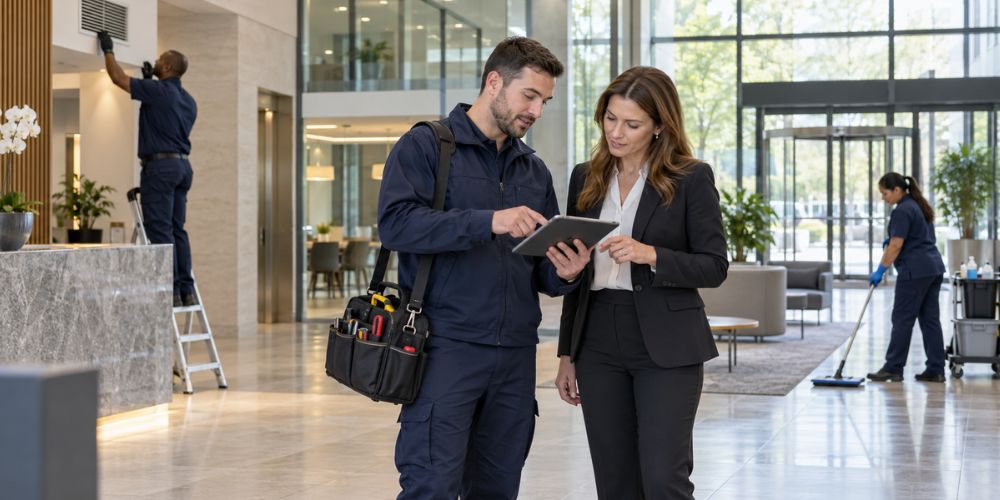
Someone may claim to be a delivery driver, contractor, maintenance worker or company representative to gain entry. If employees accept these claims without checking the relevant details, an unauthorised person may get inside. Staff should know how to verify unexpected visits before allowing access.
7 Ways to Prevent Unauthorised Visitors From Accessing Your Business
Businesses can reduce access risks by combining clear procedures, staff awareness and suitable security measures.
1. Establish a Clear Visitor Management Procedure
Every business should have a defined process for receiving visitors. This should explain where visitors must report, how their identity or appointment is checked and who is responsible for approving entry. Depending on the premises, the procedure may include a visitor register, temporary passes and an employee or host who meets the visitor at reception. Visitors should also be told which areas they can enter and whether they need an escort. Clear instructions make it easier for staff to manage entry consistently.
2. Restrict Access to Sensitive Areas
Not every visitor or employee needs access to every part of a building. Businesses should identify areas that require additional protection, such as server rooms, stockrooms, offices containing confidential records and operational areas. Access cards, coded doors, locked cabinets and controlled entry points can help limit access to authorised individuals. Access permissions should be reviewed when employees change roles or contractors finish their work. This helps prevent people from retaining access they no longer need.
3. Check Contractors and Deliveries
Contractors and delivery drivers may need to enter a site regularly, but their access should still follow the business’s procedures. Where appropriate, confirm appointments, check identification and verify unexpected deliveries with the relevant department. Contractors should receive clear instructions about their approved work areas and any site-specific safety rules. These checks are particularly important at warehouses, construction sites and premises with multiple entrances.
4. Train Employees to Recognise Security Risks
Employees can help prevent unauthorised access when they understand common security risks and know what to do if they notice a problem. Training should cover tailgating, suspicious behaviour, visitor procedures, access card use and reporting concerns. Staff should also know whom to contact if someone refuses to follow the rules. Employees should not be expected to confront potentially dangerous individuals. They should follow the site’s reporting procedure and seek assistance from the appropriate security personnel.
5. Keep Access Credentials Up to Date
Businesses should maintain control over the cards, keys, fobs and codes used to access their premises. Lost or stolen credentials should be reported promptly. Access should be removed when an employee leaves or a contractor no longer requires entry. Shared PINs and access cards should be avoided where individual credentials are available. Regular reviews of access permissions can help identify accounts or credentials that no longer need to remain active.
6. Monitor Entrances and Vulnerable Areas
Security measures should cover the areas where unauthorised access is most likely to occur. These may include reception areas, rear entrances, car parks, loading bays and perimeter gates. CCTV can help monitor activity and provide footage for an investigation when an incident occurs. Suitable lighting, alarms, physical barriers and regular security patrols can also help identify weaknesses and discourage unauthorised entry. The right combination depends on the size of the premises, its layout, operating hours and the risks identified.
7. Review Security Procedures Regularly
A procedure that worked well when a business first opened may no longer meet its needs. New entrances, additional staff, changes in working hours and increased visitor numbers can create gaps in existing arrangements. Regular reviews should consider how visitors enter, whether restricted areas are properly controlled and whether staff understand their responsibilities. Businesses should also review previous incidents and near misses to identify changes that could help prevent similar problems in the future.
How Security Guards Can Help Control Visitor Access
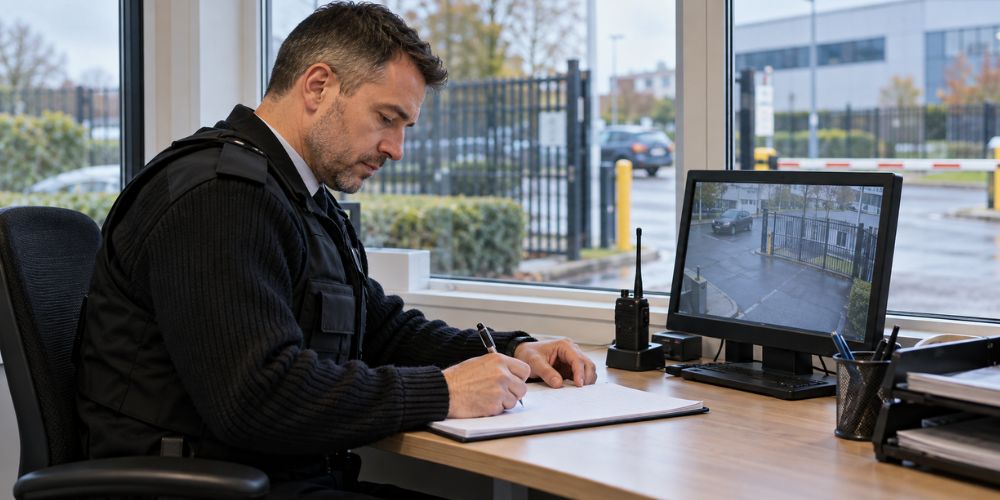
Security guards can provide a visible presence at hotel entrances and help manage visitors according to the hotel’s procedures. Their responsibilities may include:
- Checking visitor details
- Directing guests and visitors to reception
- Monitoring entrances and exits
- Carrying out regular patrols
- Reporting suspicious activity
- Checking access to staff-only and restricted areas
- Responding when someone does not follow entry procedures
Security guards can also contact the relevant manager or emergency services when necessary. Their presence may help discourage unauthorised access and provide additional support when security concerns arise.
Technology vs Physical Security: What Does Your Business Need?
Technology can help businesses manage access, but it works best when supported by clear procedures and appropriate supervision.
- Access control systems allow businesses to restrict entry using cards, fobs, PINs or other credentials. They can also help manage permissions for different areas.
- CCTV systems help monitor entrances and other important locations. Recorded footage may support investigations into suspected unauthorised access.
- Visitor management systems can help record visitor details, manage appointments and track entry and departure times.
- Intercoms and alarms can support controlled entry and alert staff to certain security events.
- Physical security measures, including security guards and mobile patrols, provide an additional level of monitoring and allow concerns to be assessed on site.
- No single measure is suitable for every business. Assessing the premises and its specific risks can help determine which combination of technology, physical security and visitor procedures is appropriate.
What Should You Do If You Discover an Unauthorised Visitor?
Finding someone in an area where they should not be requires a prompt and appropriate response. Businesses should have a procedure that explains who is responsible for handling the situation. The following steps can help:
- Follow the site’s security procedure. Notify the responsible manager or security officer and follow established instructions.
- Avoid unnecessary confrontation. Do not put employees or visitors at risk by attempting to remove someone yourself.
- Protect restricted areas. Where safe and appropriate, limit further access to sensitive locations.
- Record relevant details. Note the time, location, description of the individual and circumstances of the incident.
- Review available evidence. CCTV footage, visitor registers and access logs may help establish how the person entered.
- Report the incident where necessary. Contact the police or relevant emergency services if the circumstances warrant it.
- Review the cause. Identify any weaknesses in the access procedure and decide what changes are needed to reduce the chance of another incident.
The response should reflect the seriousness of the situation and the specific procedures in place at the premises.
How Security Company Can Help Protect Your Business
G3 FM Services provides security services to help businesses protect their premises and manage security risks. Depending on your requirements, suitable support may include security guarding, access control, mobile security patrols, key holding and alarm response.
Security guards can help manage entry points, monitor visitor activity and report concerns in line with agreed site procedures. Mobile patrols can provide additional checks around premises, while key holding and alarm response services can support businesses outside normal working hours.
The right approach depends on your premises, operating hours and existing security measures. G3 FM can help you consider your requirements and identify suitable options for your site.
Conclusion
Preventing unauthorised visitors from accessing your business starts with understanding how people enter your premises and where security weaknesses may exist. Clear visitor procedures, controlled access to restricted areas, employee training and regular security reviews can all help reduce the risk.
Technology and physical security can provide additional support, particularly at premises with valuable assets, multiple entrances or higher security requirements. By reviewing your current arrangements and addressing gaps, you can help protect employees, visitors, property and business information.
If your business needs additional support with visitor access or site security, contact G3 Security to discuss your requirements.