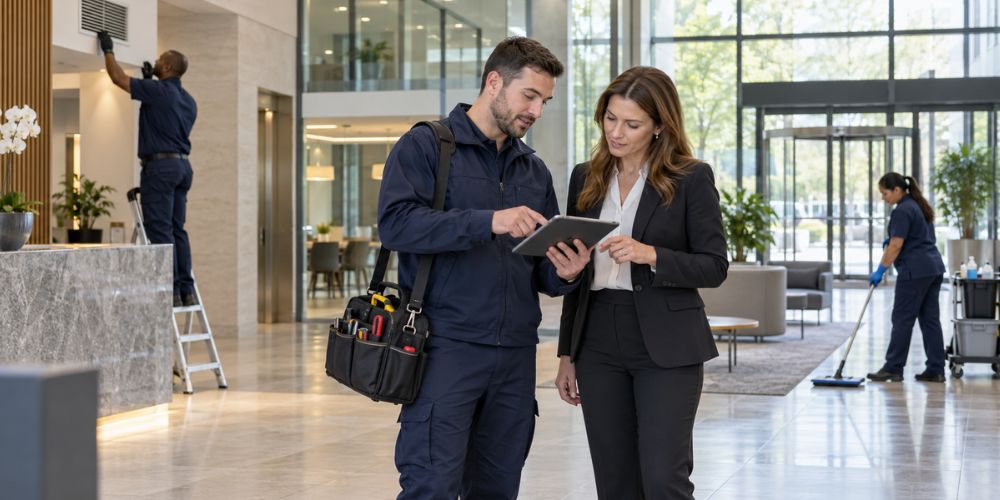
Security guards deal with a wide range of situations during a shift. These may include unauthorised entry, theft, property damage, workplace disputes, medical emergencies, suspicious activity, or accidents.
When an incident occurs, responding to the situation is only one part of the job. The security officer must also record what happened in a clear and accurate report. A well-written security guard incident report creates an official record of the event. It helps supervisors, property managers, business owners, the police, insurers, and other authorised individuals understand exactly what took place. This guide explains how to write a security guard incident report, what information should be included, the common mistakes to avoid, and why professional incident reporting is so important.
What is a Security Guard Incident Report?
A security guard incident report is a written document used to record an unusual event, security concern, emergency, or breach of rules that occurs while a security officer is on duty.
The report normally explains what happened, when and where it happened, who was involved, what the security officer observed, and what actions were taken. A security guard may need to complete an incident report following situations such as:
- Theft or attempted theft
- Unauthorised access
- Property damage
- Workplace disputes or physical altercations
- Suspicious behaviour
- Medical emergencies
- Fire alarms
- Vehicle accidents
- Trespassing
- Health and safety hazards
- Vandalism
- Lost or stolen property
The purpose of the report is to provide a factual and professional record of the incident rather than personal opinions or assumptions.
Why Accurate Security Incident Reporting Is Important
Security incident reports may be reviewed days, weeks, or even months after an event has taken place. For this reason, accuracy is essential.
A properly written report can help management understand what happened and decide whether further action is required. It may also support an insurance claim, internal investigation, legal matter, or police enquiry.
Step 1: Deal With the Incident Before Writing the Report
A security officer’s first priority is to manage the immediate situation safely. The incident report should only be completed once the situation is under control.
Immediate Actions to Take
Depending on the type of incident, the officer may need to:
- Protect people from immediate danger
- Contact the emergency services
- Inform a supervisor
- Secure the affected area
- Provide assistance within the limits of their training
- Prevent unauthorised access
- Protect or preserve evidence
- Observe the people involved
- Follow the site’s emergency procedures
What to Remember
- Safety should always come before paperwork.
- If someone is injured, arrange medical assistance first.
- Do not delay an urgent response just to record details.
- Make brief notes as soon as it is safe to do so.
- Start the full report once the situation has been controlled.
Step 2: Collect All Relevant Facts and Information
Before writing the report, gather as much accurate information as possible. A simple way to organise the information is to answer five basic questions:
- Who was involved?
- What happened?
- When did it happen?
- Where did it happen?
- How did it happen?
Who Was Involved?
Record the names and relevant details of the people involved where possible. This may include:
- Employees
- Visitors
- Witnesses
- Security officers
- Contractors
- Suspects
- Police officers
- Emergency service personnel
What to Record
- Full name, where available
- Role or connection to the incident
- Relevant identification details
- Contact information where required and permitted
- Witness details where applicable
Only record personal information that is relevant and permitted under company procedures.
What Happened?
Clearly explain the type of incident and what took place. Focus on:
- What you personally observed
- What you heard
- What other people told you
- What actions were taken
- How the incident developed
Avoid assumptions or unsupported conclusions.
When Did It Happen?
Record the most accurate date and time available. Include:
- Date of the incident
- Approximate or exact time
- Time the officer became aware of the incident
- Time emergency services or supervisors were contacted, if relevant
If the exact time is unknown, do not guess. State clearly that the time is approximate.
Where Did It Happen?
Provide the exact location whenever possible. For example:
- Building name
- Floor number
- Room number
- Car park
- Main entrance
- Rear entrance
- Loading bay
- Reception area
The more specific the location, the easier the incident is to understand and investigate.
How Did the Incident Happen?
Explain the sequence of events in the order they occurred.
Focus on:
- What happened first
- What the officer observed
- What the people involved did
- What happened next
- How the incident ended
Always separate facts from assumptions.
Step 3: Write a Clear and Detailed Incident Report
Once all relevant information has been collected, the officer can begin writing the report. Although formats may differ between security companies, clients, and sites, most reports should contain the following sections.
1. Incident Date, Time, and Location
Record the basic details of the incident. Include:
- Date
- Time
- Exact location
- Type of incident
- Name of the reporting officer
- Officer identification or licence number, if required
Check these details carefully before continuing. Do not invent an exact time if only an approximate time is known.
2. Persons Involved
List all relevant individuals connected to the incident. This may include:
- Employees
- Visitors
- Customers
- Witnesses
- Security staff
- Police officers
- Paramedics
- Contractors
- Members of the public
Only include identifying information that is relevant, necessary, and permitted. Avoid adding unnecessary sensitive personal details.
3. Incident Description
The incident description should explain what happened from beginning to end. Write the events in chronological order.
Include:
- What the officer was doing before the incident
- How the officer became aware of the situation
- What the officer personally observed
- What the people involved said or did
- What happened next
- How the situation ended
4. Evidence and Supporting Information
Record any evidence related to the incident. This may include:
- CCTV footage
- Photographs
- Access control records
- Visitor logs
- Witness statements
- Damaged property
- Vehicle registration details
- Alarm records
- Relevant documents
Evidence Handling
When dealing with evidence:
- Follow company procedures
- Avoid unnecessary handling
- Record where the evidence was found
- Note who collected or received it
- Record the date and time it was transferred where necessary
If evidence is passed to another person, clearly record who received it and when.
5. Response and Actions Taken
Explain how the security team responded to the incident. Possible actions may include:
- Contacting the site supervisor
- Calling the emergency services
- Asking an unauthorised person to leave
- Securing a damaged door
- Restricting access to the area
- Reviewing CCTV footage
- Assisting emergency personnel
- Informing property management
- Carrying out an additional patrol
This section should clearly show what security staff did after becoming aware of the incident.
6. Follow-Up Actions Required
Record any further action that may be needed after the initial response. This may include:
- Reviewing additional CCTV footage
- Repairing damaged locks or doors
- Interviewing further witnesses
- Increasing patrol frequency
- Updating access permissions
- Contacting the police
- Carrying out a safety inspection
- Informing senior management
- Reviewing security procedures
Only include follow-up actions that are relevant to the incident.
7. Declaration
The report may include a declaration confirming that the information provided is accurate to the best of the reporting officer’s knowledge. The officer may be required to provide:
- Full name
- Employee number
- Licence number
- Signature
- Date
- Time of submission
Before signing the report, review all information carefully.
Step 4: Review the Report Before Submitting It
Always check the incident report before submitting it.
Check the Basic Details
Make sure the following information is correct:
- Names
- Dates
- Times
- Locations
- Officer details
- Incident type
Check the Written Description
Review the report for:
- Missing information
- Spelling mistakes
- Grammar mistakes
- Unclear sentences
- Personal opinions
- Unsupported assumptions
- Contradictory information
- Irrelevant details
Final Review Checklist
Before submitting the report, ask:
- Is the report easy to understand?
- Are the events listed in the order they happened?
- Are facts clearly separated from assumptions?
- Are witness statements properly attributed?
- Are all important actions recorded?
- Is the report professional and objective?
- Could someone who was not present understand exactly what happened?
A careful final review can prevent confusion, errors, and misunderstandings later.
Common Incident Report Mistakes
Security officers should avoid common mistakes that can make an incident report unclear or unreliable.
- Including personal opinions instead of facts
- Using vague or unclear descriptions
- Using emotional or exaggerated language
- Leaving out important dates, times, or locations
- Forgetting to include witness details
- Using slang or unclear abbreviations
- Guessing or assuming information
- Writing very long or confusing sentences
- Presenting someone else’s statement as a personal observation
- Failing to record relevant evidence
- Leaving out actions taken by security staff
- Waiting too long before completing the report
Incident reports should be completed as soon as reasonably possible while the details are still fresh.
Who Reads Security Incident Reports and Why Does It Matter?
Security incident reports may be reviewed by several different people. Depending on the incident, readers may include:
- Security supervisors
- Property managers
- Business owners
- Corporate security teams
- Human resources staff
- Police officers
- Insurance representatives
- Solicitors
- Health and safety managers
- Compliance teams
- Clients
This is why professional report writing is so important. A report that is unclear, emotional, incomplete, or poorly written can make it difficult for other people to understand what actually happened.
A clear and accurate report provides a reliable record that can be used when further action or investigation is required.
Why Well-Written Incident Reports Matter to Clients and Management
Professional security involves much more than simply having guards present on a site. Accurate documentation is also an important part of an effective security service.
Incident reports help clients and management understand what is happening on their premises and how the security team is responding. Reports may also highlight recurring problems such as:
- Repeated trespassing
- Faulty access points
- Poor lighting
- Car park incidents
- Employee access issues
- Equipment failures
- Unsafe areas
- Repeated suspicious activity
Management can use this information to decide whether improvements are required. Consistent reporting also creates a useful historical record that can be reviewed if similar incidents occur in the future.
Tips for Writing Clear and Professional Security Reports
Good incident report writing becomes easier with practice. Use simple and professional language. There is no need to make the report sound overly complicated. Focus on what you saw, heard, and did. Whenever possible, include specific details such as:
- Exact locations
- Times
- Physical actions
- Vehicle registration numbers
- Witness statements
- Descriptions of property damage
- Details of security measures taken
Write the details in the order they happened, without jumping between different parts of the incident. If information comes from another person, clearly state who provided it
When You Need a Professional Company
Handling incidents properly requires more than simply having a security guard on site. Businesses need trained professionals who can respond quickly, follow the correct procedures, protect people and property, and prepare clear incident reports when something goes wrong. This is especially important for workplaces, construction sites, retail premises, events, and other locations where security risks can change quickly.
If your business needs dependable security support, G3 FM Services provide professional security solutions across the UK. Our services include trained security officers, manned guarding, CCTV and alarm monitoring, access control, emergency response, and detailed incident reporting for a wide range of sites and industries.
Conclusion
Writing a clear and accurate security guard incident report is an important part of professional security work. A good report explains what happened, when and where the incident occurred, who was involved, what evidence was available, and how security personnel responded.
The strongest reports are factual, detailed, objective, and easy to understand. Security officers should deal with the immediate incident first, collect accurate information, write the events in chronological order, and review the report carefully before submission.
When incident reports are written properly, they are much more than paperwork. They provide valuable records that can support investigations, protect businesses, improve security procedures, and help clients and management make better-informed decisions.