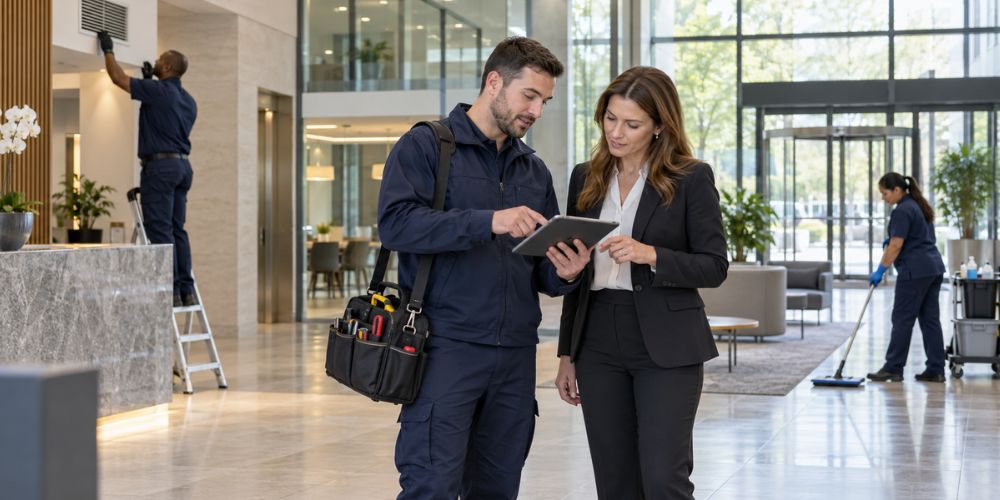
Large gatherings require structured planning across physical protection, access control, monitoring, and emergency readiness. Event security planning focuses on reducing vulnerabilities, managing crowds, and maintaining order from setup to shutdown. A clear event security checklist helps security teams and organisers coordinate responsibilities across all phases of an event.
This guide breaks down a complete event security checklist using practical security terminology, covering risk assessment, surveillance systems, crowd control strategies, and professional security operations.
Why an Event Security Checklist Matters
Event environments carry multiple security variables such as, crowd density, venue layout, entry points, and external threats. A structured checklist supports consistency in planning and execution across all security operations.
Clear Structure and Organisation
A defined checklist introduces order into security planning. It separates tasks into categories such as perimeter control, access verification, surveillance, and emergency procedures. This structure supports coordination between security personnel, event managers, and external responders.
Increased Risk Awareness
Security planning starts with identifying vulnerabilities. These may include uncontrolled entry points, blind spots in surveillance, or weak crowd flow design. A checklist highlights these areas before the event begins, allowing corrective planning during preparation stages.
Better Communication and Coordination
Event security operations involve multiple teams. Clear task distribution reduces confusion during setup, active event hours, and shutdown procedures. Communication protocols between staff and security teams support faster incident reporting and response action.
Compliance with Legal and Safety Standards
Public events must align with regulatory frameworks, local safety codes, and venue requirements. A structured security checklist supports documentation of procedures related to crowd control, emergency exits, and incident response logs.
Event Security Checklist Overview
A complete security plan covers pre-event analysis, on-site protection systems, and post-event review procedures. Each section plays a role in maintaining control across different event stages.
Perform a Detailed Risk Assessment
Risk assessment forms the foundation of event security planning. This step involves identifying possible threats and reviewing how they could impact attendees, staff, and infrastructure.
Key focus areas include:
- Entry and exit congestion points
- Unauthorised access risks
- Structural vulnerabilities in temporary setups
- Weather-related disruptions
- Crowd density pressure zones
- External threat possibilities depending on event type
Security teams often map the venue layout and mark high-risk zones. This mapping supports placement decisions for guards, surveillance cameras, and control barriers.
Risk assessment also includes reviewing past incidents from similar events. Historical data provides insight into recurring security challenges such as gate breaches or overcrowding near stages.
Develop an Emergency Response Plan
Emergency response planning defines structured actions for unexpected incidents. These include medical emergencies, fire outbreaks, aggressive behavior, or evacuation scenarios.
A strong response plan contains:
- Clear evacuation routes for different sections of the venue
- Designated assembly points outside hazard zones
- Chain of command for incident reporting
- Coordination protocol with local emergency services
- Communication channels for real-time updates
Security personnel receive role-specific instructions covering incident handling procedures. This reduces delays during critical situations and supports organised evacuation flow.
Strengthen Perimeter Security
Perimeter security controls entry and exit movement across the venue boundary. Weak perimeter management increases exposure to unauthorised access and unmanaged crowd entry.
Common perimeter strategies include:
- Physical barriers such as fencing or barricades
- Controlled entry gates with security checkpoints
- Security staff stationed at access points
- Separation of staff-only and public zones
- Monitoring of secondary access routes
Entry points remain a primary focus, as most breaches occur at uncontrolled or understaffed gates. Clear boundary marking reduces confusion among attendees and staff.
Effective Crowd Management
Crowd control plays a central role in maintaining order during large gatherings. Poor crowd flow can lead to congestion, panic situations, and restricted emergency movement.
Key crowd management techniques include:
- Controlled entry timing through scheduled admission
- One-way movement pathways inside venues
- Buffer zones near stages or focal points
- Queue management systems at entrances and exits
- Clear signage for navigation
Security guard services placement is critical in high-density zones. Their role includes guiding movement, preventing overcrowding, and monitoring pressure build-up in confined areas.
Crowd mapping before the event supports identification of potential choke points where movement may slow down or block entirely.
Install Surveillance and Monitoring Systems
Surveillance systems provide real-time visibility across the venue. Camera coverage supports detection of suspicious activity, crowd surges, and unauthorised movement.
Typical surveillance setup includes:
- CCTV cameras covering entrances, exits, and main gathering areas
- Live monitoring stations operated by trained personnel
- Mobile surveillance units for temporary blind spots
- Recording systems for post-event review
Monitoring teams track crowd density changes and report irregular activity to on-ground security staff. This coordination supports rapid intervention when required.
Establish Access Control Procedures
Access control regulates who enters specific areas within the event space. This prevents unauthorised access to restricted zones such as backstage areas, equipment rooms, or VIP sections.
Common access control methods include:
- Ticket validation systems
- ID-based entry verification
- Wristbands or digital passes for different access levels
- Barcode or QR scanning at gates
- Security screening checkpoints
Segmentation of access zones helps separate public attendees from staff-only operational areas. This reduces interference with technical operations and performance areas.
Prepare for Medical Emergencies
Medical readiness is a core part of event security planning. Large gatherings increase the probability of health-related incidents such as dehydration, injuries, or sudden illness.
Medical planning includes:
- On-site first aid stations
- Trained medical personnel positioned at key zones
- Ambulance access routes near venue exits
- Communication channel between medical staff and security teams
- Emergency transport coordination with nearby hospitals
Security teams assist medical responders by clearing pathways and guiding them to incident locations quickly.
Conduct a Post-Event Review
Post-event review focuses on reviewing security performance and identifying operational gaps. This process supports improvements for future events.
Review areas include:
- Entry and exit flow performance
- Crowd density behavior patterns
- Incident response timing
- Communication breakdowns between teams
- Surveillance coverage gaps
Incident reports and CCTV recordings provide data for analysis. Security managers document findings and adjust future planning frameworks based on observed issues.
Hire Professional Security Company
Large-scale events often require external security expertise, and at G3 FM Services we provide professional support tailored to each event’s needs. Our trained security personnel bring hands-on experience and structured deployment strategies to deliver smooth and safe operations. We assist with venue risk assessments, crowd control management, access point supervision, surveillance coordination, and emergency response planning. We focus on providing organised and reliable security coverage throughout every stage of the event. Our approach helps reduce risks while maintaining strong safety standards. By integrating skilled manpower with practical security planning, we maintain effective event protection from start to finish.
Conclusion
Event security planning depends on structured preparation across multiple operational layers, from risk analysis to post-event review. A complete event security checklist brings order to these processes and supports control over access, movement, surveillance, and emergency handling.
Careful attention to perimeter security, crowd behavior, and monitoring systems reduces vulnerabilities across event environments. Professional coordination between security teams and event organizers plays a central role in maintaining stability throughout the event lifecycle.