Humans have depended on dogs for protection, support, and safety. Their loyalty, intelligence, and powerful senses make them valuable partners in modern security operations. Today, K9 security plays an important role in protecting people, property, and sensitive locations. From patrolling corporate buildings to detecting explosives at airports and public venues, security dogs assist human teams in situations where speed, awareness, and accuracy matter most.
What is a K9?
The k9 meaning comes from the word canine and refers to dogs trained for professional security and law enforcement roles. These dogs receive structured and specialised training that prepares them to work in high-pressure environments. K9s are commonly associated with police and military units, but their role now extends to private security, corporate facilities, airports, and event security. What sets a K9 apart from a regular dog is its ability to follow commands with precision, remain focused in stressful situations, and support handlers during critical operations.
Types of K9 Security
Trained security dogs are used in different roles depending on the level of risk and the environment they protect. These roles fall under various types of K9 security.
On-Site Patrol
On-site patrol dogs serve as the first line of defense for businesses, residential complexes, and corporate facilities. Their visible presence deters potential intruders and reinforces security measures. These dogs patrol the area systematically, monitor entry points, and respond immediately if they detect suspicious activity.
Patrol dogs work alongside security guards, strengthening on-site protection through their speed, agility, and accurate awareness. Their ability to detect unusual sounds or movement early allows security teams to respond quickly and take control of situations before they develop further.
Detection
Detection dogs are specially trained to find substances that people or machines might overlook. They can accurately detect narcotics, explosives, firearms, and other contraband. Airports, warehouses, border checkpoints, and event venues often rely on these dogs to keep the public safe.
By actively sniffing luggage, cargo, and vehicles, detection dogs provide rapid results that reduce risk and improve the smoothness of operations. Their keen sense of smell enables them to detect hidden threats, even in complex or crowded environments.
Event Security and Crowd Control
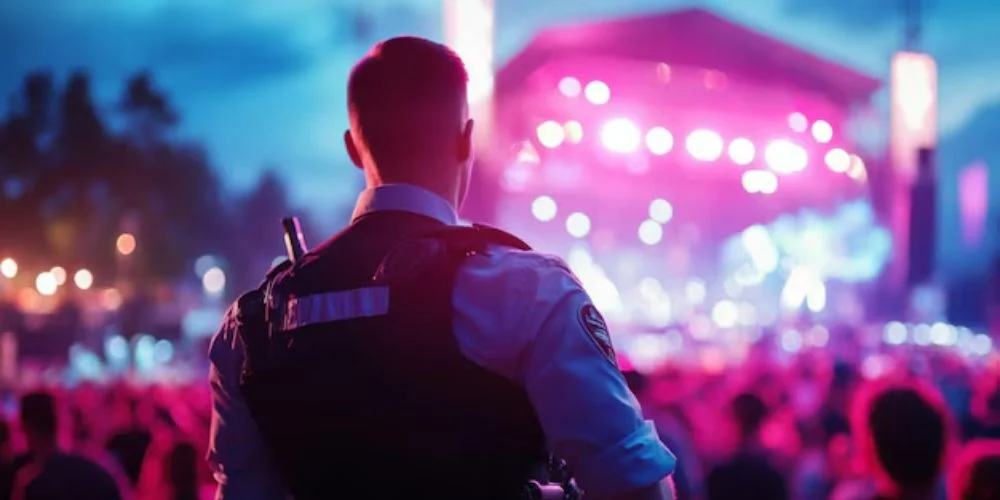
K9 plays a crucial role in maintaining order and keeping safety during public gatherings. They help manage crowds, provide protection for VIPs, and identify potential threats quickly. By moving through large groups, the dogs allow security teams to prevent incidents before they occur.
Their presence also reassures attendees and staff, creating a safer environment. Security dogs must remain calm under pressure, responding to commands while moving through chaotic or noisy settings.
Mobile Response Units
Accompanying security or police vehicles, mobile response units quickly reach incidents, often faster than human teams alone. Their speed and training allow them to assist in catching suspects and keeping perimeters secure.
These dogs are particularly valuable in emergency situations, such as pursuing intruders, responding to alarms, or assisting in search and rescue operations. Their combination of speed, strength, and agility ensures that security teams can act immediately.
Popular K9 Breeds
Certain breeds are particularly suited for security work due to their intelligence, strength, and trainable nature.
- German Shepherds: Agile, strong, and highly trainable, they excel in patrol and police work.
- Belgian Malinois: Smaller but extremely quick and focused, often used in detection and rapid-response units.
- Bloodhounds: Exceptional tracking ability, making them ideal for search and rescue operations.
- Labradors: Gentle temperament combined with strong scent detection skills, commonly used in detection tasks.
Selecting the right breed is important so the dog can perform its duties safely and at its best. Handlers need to take into account the dog’s natural skills, the environment, and the specific security tasks it will handle.
How K9 Dogs are Trained
Training a K9 is an intensive process that begins with obedience and basic commands, making sure the dog responds consistently to its handler. Handlers work and live closely with their dogs to build trust and strong communication.
Advanced training focuses on specific tasks such as detection, catching suspects, or managing crowds. Dogs are trained to stay focused under stress, ignore distractions, and take quick action when needed. This combination of obedience, skill, and close coordination with their handler helps K9s perform confidently in real-world situations.
Key Duties and Responsibilities
K9 dogs handle a wide range of responsibilities, including:
- Patrolling areas to deter criminal activity and secure properties.
- Detecting illegal substances such as drugs, explosives, and firearms.
- Managing crowds during events and protecting VIPs.
- Assisting in search and rescue operations for missing persons.
- Apprehending suspects and supporting law enforcement investigations.
- Locating evidence in crime scenes and providing timely alerts to handlers.
Their versatility allows them to support security personnel across multiple functions, often reducing risks and improving response times.
Benefits of Using K9 Units
Operating K9 units provides significant advantages:
- Detects threats faster than human personnel or standard equipment.
- Serve as a visible deterrent to criminal activity.
- Respond rapidly to emergencies, intrusions, or suspicious activity.
- Adapt to different environments, from corporate offices to crowded public events.
- Reduce the need for additional security staff while maintaining high safety standards.
- Improve overall performance and productivity of security operations.
Rules and Responsibilities for K9 Handlers
Organisations using K9 security dogs must follow strict standards. Handlers should be certified, and dogs must receive proper care, rest, and humane treatment. Legal protections exist to recognise the role of K9s in law enforcement and security. Maintaining ethical treatment keeps the safety of both dogs and people while upholding professional standards in security operations.
How to Implement a K9 Unit in Your Security Strategy
For operational deployment of a K9 unit.
- Assess the security needs of your site or organization.
- Select the type of K9 that matches your requirements ,patrol, detection, or crowd control.
- Hire certified handlers and trained dogs.
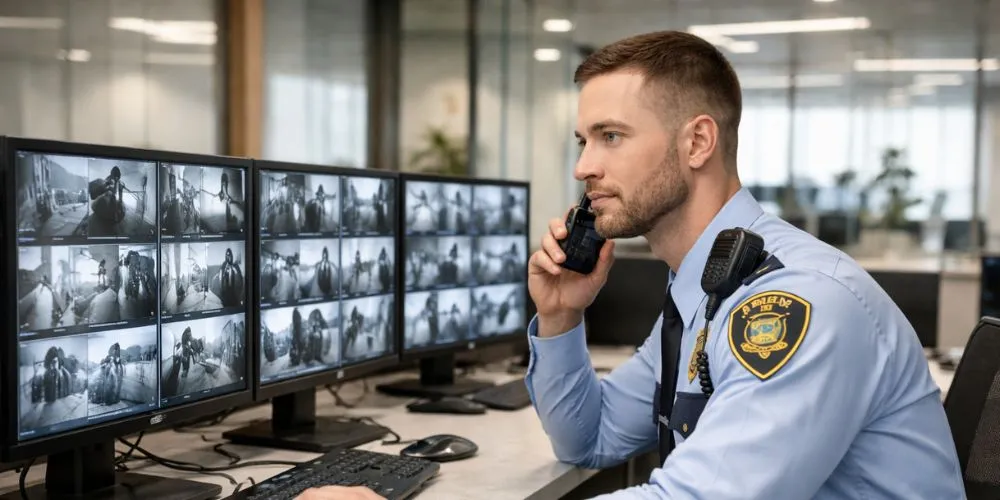
- Integrate the unit with existing security systems, including CCTV, alarms, and human personnel.
A well-planned K9 unit improves safety, response times, and provides reassurance to employees, clients, and visitors.
How to Choose Professional K9 Security
Choosing the right K9 security service is vital for keeping people and property safe. A professional service should have trained handlers, healthy and well-cared-for dogs, and experience in managing different security situations.
G3 FM Services provides expert K9 security services designed to meet your specific needs. From patrolling offices and monitoring events to responding quickly during emergencies, our K9 units work closely with handlers to provide safe protection. By choosing G3 FM Services, you can be confident that both the dogs and their handlers meet high standards of training, care, and professionalism.
Conclusion
K9 security dogs play an important role in protecting people, property, and critical locations. Their intelligence, speed, and acute senses allow them to perform tasks beyond human capability. From patrolling facilities to managing crowds and detecting threats, K9s keep safety across a wide range of environments. Understanding their types, roles, and how to implement them so organizations can deploy K9 units responsibly and with real impact.