Event security plays a vital role in creating a safe and smooth environment for attendees, organisers, and performers. From large-scale festivals to intimate corporate gatherings, security teams are responsible for protecting guests, managing crowds, and addressing potential risks. Without proper security measures in place, Without proper security, events can become unpredictable and unsafe, putting both attendees’ well-being and the overall success of the event at risk. We explore the crucial role of security in events and how security teams ensure both safety and enjoyment for all attendees in this blog.
Event Safety and Well-Being
One of the key responsibilities of event security is safeguarding the safety and well-being of all participants. Security personnel are trained to identify and manage potential threats, prevent emergencies, and provide assistance when needed. They serve as the first line of defence, addressing safety concerns ranging from potential violence to medical emergencies.
Security teams do more than just manage crises, they make sure that guests feel safe and secure throughout the event. Through their visible presence and proactive communication, security professionals create an environment where attendees can enjoy the event with confidence and peace of mind.
Crowd Control Strategies
Managing large crowds is one of the most crucial responsibilities of event security. Overcrowding can lead to hazardous situations, such as suffocation or crowd surges. To prevent these risks, security teams use various strategies to maintain a steady flow and ensure the crowd remains under control.
Crowd control involves meticulous planning, from placing barriers strategically to designating entry and exit points. Security personnel are positioned at key locations to monitor crowd behaviour and maintain order. Additionally, security teams make certain that there are enough escape routes and emergency exits in case of any unforeseen incidents.
Preventing Unauthorised Access
One of the primary roles of security at events is preventing unauthorised access to restricted areas. Organisers often have VIP zones, backstage areas, or private meetings that require stringent security. Security teams are tasked with checking credentials, verifying tickets, and ensuring that only authorised individuals enter these areas.
In addition to physical checks, security teams implement technology such as access control systems, turnstiles, and electronic ticketing to streamline the process. By upholding robust access control measures, security ensures that only the right people have access to designated areas, minimising potential risks and helping the event run smoothly.
Access Control Systems
Access control systems are crucial to maintaining a secure event environment. These systems include everything from ticket scanning to physical barriers, ensuring that only authorized individuals can enter specific areas. For example, turnstiles, wristbands, and ID badges are commonly used to control access to different zones.
Such systems not only improve security but also streamline event entry, reducing congestion and making the overall experience more convenient for guests. With the right access control in place, security teams can smoothly manage the flow of people and guarantee that the event space remains secure.
Smooth Communication
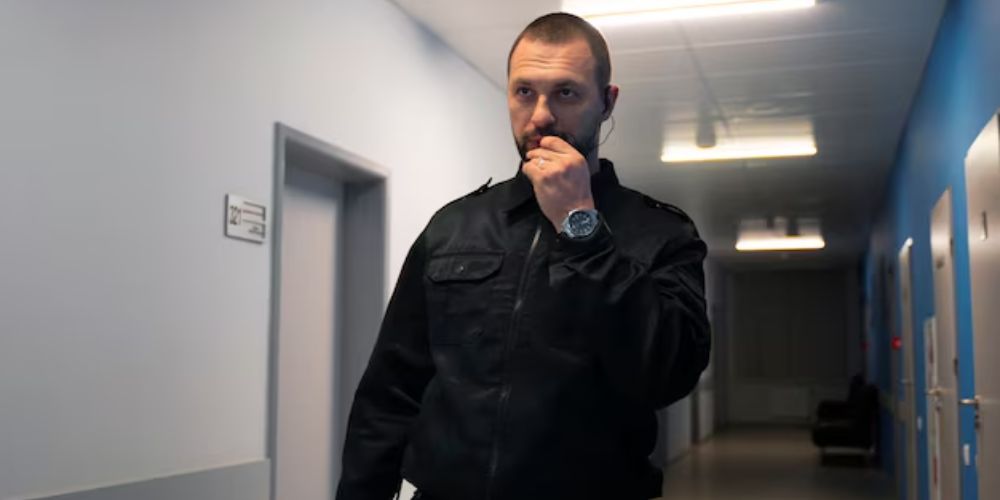
Clear and continuous communication is essential for effective event security. Security teams rely on radios, mobile phones, and specialised apps to stay in constant contact and respond to emergencies in real-time. This smooth communication enables security personnel to quickly share updates, coordinate actions, and manage situations as they arise.
Internal communication within the security team, event organisers and other key stakeholders must maintain regular contact with security staff to address emerging concerns. This level of coordination ensures the event runs smoothly and any issues are dealt with swiftly.
Metal Detectors and Baggage Screening
To prevent dangerous items from entering the event, security teams use metal detectors and baggage screening at entry points. These equipment block weapons, drugs, and other harmful items, adding an extra layer of safety. While the screening process may cause delays, it is essential for making sure the safety of all attendees.
Attendees are reassured by the detail and care of the process, knowing their safety is the top priority. Although it may take a little longer, the added security is a necessary step. Security teams prioritise protecting the event and its participants from potential risks.
Managing Parking and Access
The security process doesn’t stop once attendees enter the venue, it extends to the surrounding areas, including parking lots. Security teams are responsible for monitoring parking areas, making sure that vehicles are parked in designated spots and preventing unauthorised access.
Parking lot surveillance, security teams must manage access points to the venue, security teams manage access points to the venue, making certain that only those with valid credentials or tickets can enter. This level of security protects the event from all potential risks.
Continuous Environment Monitoring
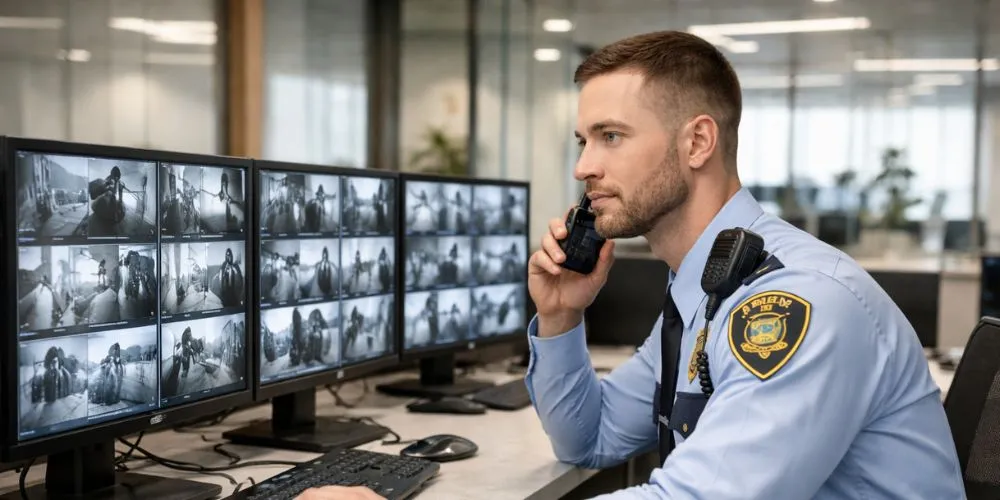
Monitoring the event environment is key to spotting potential hazards. Security teams use surveillance tools, weather systems, and other technologies to stay aware of conditions and react quickly. They continuously assess the surroundings to identify any emerging risks. This proactive approach helps them stay prepared for any sudden changes that may affect the safety of the event.
By monitoring the environment, security services can also identify non-weather-related risks, such as overcrowding or potential safety hazards. They are trained to quickly assess situations and make decisions that protect both the attendees and the venue.
Quick Response to Incidents and Emergencies
Even with all precautions in place, emergencies can still happen at events. Whether it’s a medical issue, fire, or security breach, event security teams must be ready to respond quickly. Being able to handle crises smoothly is one of the most important roles of event security.
Security personnel are trained to manage different emergencies, from helping with evacuations to providing first aid. Their quick response can prevent a minor incident from turning into a major disaster, ensuring the safety of everyone involved.
Types of Security in Events
Event security is essential for safeguarding the safety of attendees, staff, and the overall success of any event. There are different types of event security that address specific needs. Each type is designed to prevent disruptions, manage crowds, and address any potential threats to make sure a smooth and secure event experience.
K9 Event Security
This type of security uses specially trained dogs to detect explosives, drugs, or other illegal substances. K9 units are highly effective in large crowds, as they can help identify threats that might not be immediately visible. These units provide an added layer of security and can deter potential threats through their presence.
Manned Event Security
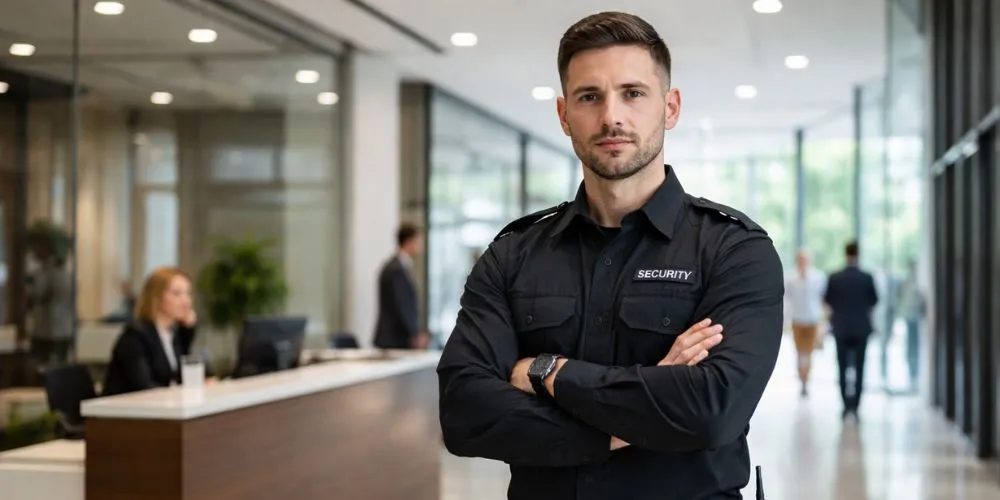
Manned security refers to the presence of trained security personnel who are stationed at various points within the event venue. They monitor entrances and exits, control access to restricted areas, and are available to respond to incidents. Manned security can include guards at ticket checks, crowd management posts, and VIP security areas. Their role is critical in maintaining order and responding to emergencies.
Why Hiring Professional Security Services is Essential
When organising an event, the safety and security of your attendees should always be a top priority. Hiring professional security services is essential for a safe and smooth experience. Professional security teams bring a level of expertise, training, and resources that can’t be matched by general staff or volunteers. They are skilled in managing various risks, handling emergencies, and maintaining order, no matter the size or complexity of the event.
G3 FM Services offers expert event security with highly trained personnel experienced in crowd control, surveillance, access management, and emergency response. With our support, you can rest assured that potential threats are quickly identified and managed. Professional security services also provide peace of mind, allowing event organisers to focus on delivering a great experience while knowing that security is in capable hands.
Whether you’re hosting a small gathering or a large-scale event, the value of professional security services cannot be underestimated. We not only ensure safety but also improve the overall guest experience by creating a controlled and organised environment.
Conclusion
Event security is much more than just a presence at the door, it’s a complex and proactive system designed to ensure the safety, well-being, and success of the event. From crowd management and access control to emergency response and environmental monitoring, security professionals are the backbone of any successful event. By hiring professional security services and employing advanced technologies, event organizers can make sure that their event remains safe and enjoyable for everyone involved.
As you plan your next event, consider how integral security is to its success. Invest in a strong security strategy to make sure your attendees, staff, and performers are protected from start to finish.