Office security plays a vital role in the daily operation and long-term success of any business. A secure workplace protects employees, safeguards valuable assets, and ensures uninterrupted operations. As businesses grow and office environments become more dynamic, the need for reliable and well-planned security measures becomes even more important.
Ignoring office security can expose a business to theft, data breaches, vandalism, and safety risks. On the other hand, investing in the right security solutions builds confidence among employees, clients, and stakeholders. A safe office environment allows teams to focus on productivity rather than worrying about potential threats.
What Office Security Means for Modern Businesses
Office security refers to the systems, procedures, and practices that protect a workplace from internal and external risks. It goes under installing locks on doors. Effective office security combines physical protection, access management, monitoring systems, and staff awareness.
Modern offices often handle sensitive information, expensive equipment, and valuable intellectual property. Without proper security, these assets remain vulnerable. A strong security framework ensures that only authorised individuals access the premises, sensitive areas remain protected, and potential risks get addressed quickly.
Importance of Office Security
Security is very beneficial for every office and workspace. Here’s the factors that make office security essential for a safe, secure, and well-managed workplace.
Protecting Employees and Visitors
Employees perform best when they feel safe at work. A secure office reduces the risk of unauthorised entry, workplace incidents, and conflicts. Controlled access points, visible security measures, and clear procedures help maintain order and safety throughout the building.
Visitors also benefit from proper security. A well-managed entry process ensures that guests enter the premises safely and remain in authorised areas only. This approach protects everyone inside the workplace.
Safeguarding Business Assets
Every office contains valuable assets, including computers, servers, machinery, documents, and inventory. Theft and vandalism can cause financial losses and disrupt operations. Office security systems deter criminal activity and help recover losses when incidents occur.
When businesses protect their physical assets, they reduce downtime and avoid costly replacements. This protection directly supports operational smoothly and financial stability.
Protecting Sensitive Information
Physical security plays a crucial role in data protection. Unsecured offices can lead to data loss, unauthorised access to servers, or unauthorised access to confidential information. Strong access control measures limit who can enter restricted areas such as server rooms or executive offices.
By controlling physical access, businesses strengthen their overall data security strategy and reduce the risk of information leaks or compliance violations.
Supporting Business Continuity
Lack of security can interrupt daily operations and damage a company’s reputation. A break-in, fire, or unauthorised access event can force offices to close temporarily. Reliable security systems help prevent such disruptions and support faster responses when issues arise.
Business continuity depends on preparation. Office security ensures that operations continue smoothly even in challenging situations.
Access Control Systems
Access control is a key part of keeping an office secure. Tools like keycards, PIN codes, and biometric scanners allow businesses to manage who can enter the building and sensitive areas. Managers can authorize, modify, or revoke access quickly, which minimizes the risk of unauthorized entry. Additionally, keeping detailed records of employee movement helps identify potential security issues and supports investigations when incidents occur.
Surveillance and Monitoring
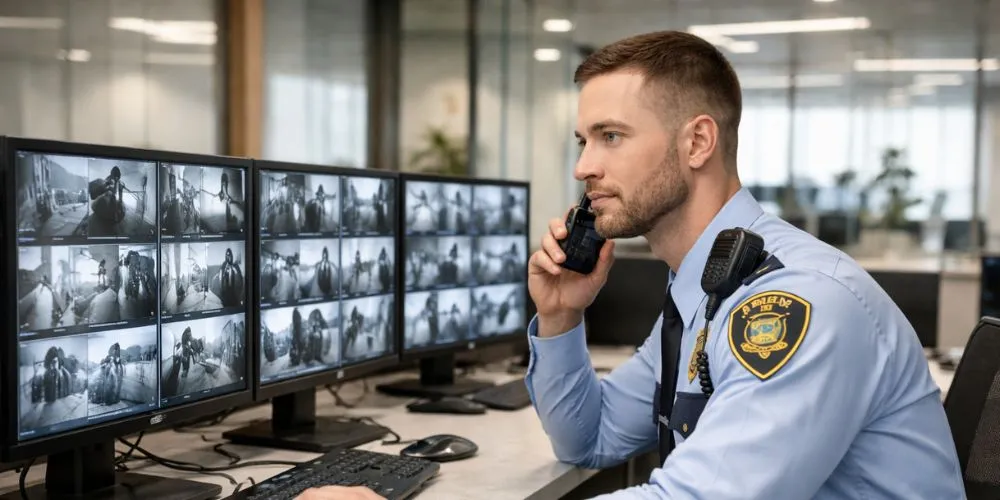
Surveillance systems, such as CCTV, provide continuous monitoring of entrances, exits, reception areas, and parking spaces. Visible cameras act as a deterrent against theft or other criminal activity. Office security design and install these systems strategically, ensuring cameras cover all critical areas. They also configure real-time monitoring, recording, and playback features, allowing security teams to respond quickly to incidents. Recorded footage helps resolve disputes, review events, and improve safety procedures, giving businesses full control and awareness over office operations.
Alarm and Detection Systems
Alarm systems alert staff and security teams to unauthorized access, unauthorized entries, or emergencies. Office security install and configure motion sensors, door alarms, and intrusion detection devices to provide immediate alerts and ensure rapid responses. They also integrate environmental sensors, such as smoke and fire detectors, adding an extra layer of protection. This setup safeguards both employees and property from security threats as well as other hazards, giving businesses peace of mind and comprehensive protection.
Common Office Security Risks
Many businesses underestimate the risks their offices face. Common security threats include unauthorised entry, tailgating, theft of equipment, vandalism, and internal misuse of access privileges. Poor lighting, unsecured entry points, and outdated systems increase vulnerability.
Staff mistakes also contribute to security risks. Employees who ignore procedures, share access credentials, or fail to report suspicious behaviour weaken the overall security structure. Addressing these risks requires both technology and awareness.
The Role of Employees in Office Security
Employees play a key role in maintaining office security. Even the best systems fail if staff ignore procedures. Training helps employees understand access rules, visitor protocols, and reporting processes.
When employees remain alert and responsible, they act as the first line of defence. Encouraging a culture of awareness strengthens security without disrupting daily workflows.
Benefits of Investing in Office Security
A well-secured office offers long-term benefits. Employees feel confident and motivated in a safe environment. Clients and partners trust businesses that demonstrate professionalism and responsibility.
Strong security also reduces financial losses, lowers insurance risks, and protects brand reputation. Over time, prevention costs far less than recovering from security incidents.
Tailoring Security to Your Business Needs
Every business requires a different level of security. Small offices may focus on basic access control and monitoring, while large corporate environments require layered systems and dedicated security staff.
Open-plan offices, shared workspaces, and high-value operations demand customised solutions. A tailored approach ensures that security supports business operations rather than restricting them.
Best Practices for Strengthening Office Security
Regular risk assessments help businesses identify weaknesses and improve protection. Updating systems as technology evolves keeps security effective and relevant. Partnering with G3 FM Services for office security ensures professional installation, monitoring, and maintenance of security systems. Combining physical security with clear procedures and employee training creates a balanced approach. Businesses that review and adapt their security strategies with expert support from G3 FM Services remain prepared for future challenges.
Conclusion
Office security is not an optional investment. It is a fundamental part of running a successful and responsible business. By protecting people, assets, and information, businesses create a safe environment that supports growth and productivity.
A secure office builds trust, reduces risk, and ensures continuity. Businesses that prioritise office security position themselves for long-term success in an increasingly complex world.