Facilities management is essential to any organisation, making sure physical spaces run smoothly while creating a comfortable, safe, and productive environment for employees and visitors. It covers a wide range of responsibilities, from maintaining infrastructure to improving the overall employee experience. In this blog, we’ll explore the key functions of facilities management and how these vital services help businesses operate effectively.
Key Functions of Facilities Management
Facilities management involves a range of essential tasks that keep an organisation running smoothly. These functions focus on maintaining the facility, improving resources, and creating a safe, comfortable environment for both employees and visitors.
- Maintaining and Improving Facilities
- Supporting Employees & Improving Workplace Experience
- Strategic Planning & Budget Management
- Building Maintenance & Compliance
- Technology Integration & Smart Facilities Management
Managing and Maintaining Facilities
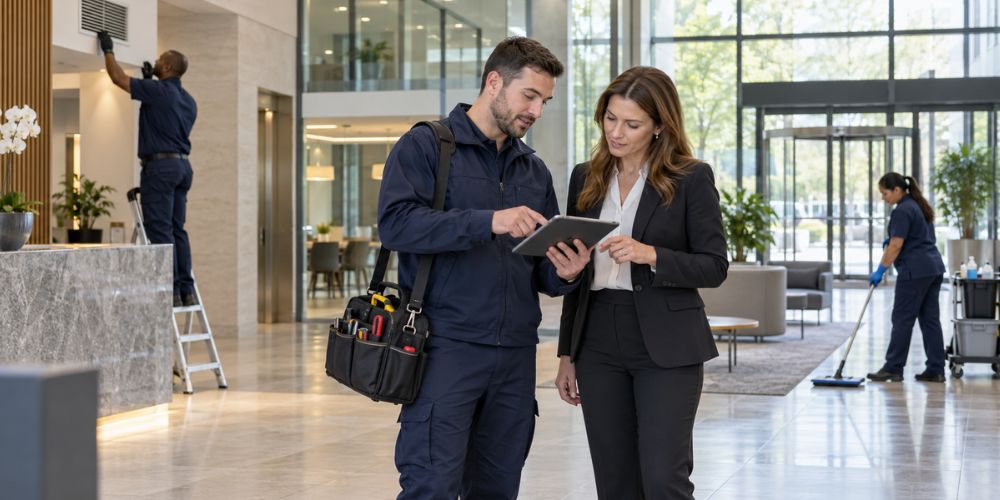
A key responsibility of facilities management is maintaining and improving the physical environment. This includes overseeing routine tasks like cleaning, repairs, and safeguarding the building’s structural integrity. Effective maintenance not only creates a safe and comfortable environment but also extends the life of the facilities, helping to reduce long-term costs. Services such as office cleaning play a significant role in keeping the premises clean and well-maintained. Regular cleaning and sanitisation keep all areas hygienic, welcoming, and productive.
Supporting Employees & Improving the Workplace Experience
Facilities management plays a key role in shaping the employee experience by creating a comfortable and safe workplace. It involves managing workplace amenities such as break rooms, restrooms, and ergonomic workspaces. A well-maintained environment improves employee satisfaction, which in turn increases productivity. Hotel concierge services can add value by assisting employees and visitors with travel, accommodation, and event needs, further improving their workplace experience. Steward services maintain smooth operations during events or busy periods, providing a professional touch to meetings and workplace events. A well-supported workplace leads to a happier, more productive workforce.
Strategic Planning & Budget Management
Strategic planning is key to aligning the facilities management plan with the company’s overall business goals. Facilities managers work closely with leadership teams to plan for future growth, space needs, and expansion. This also involves managing the budget to make sure that all facility-related expenses stay within the allocated limits. By planning and allocating resources effectively, facilities managers help reduce waste and make the best use of finances.
Additionally, strategic planning allows for better risk management by anticipating future challenges and addressing them proactively. This approach helps create a more sustainable and adaptable facilities management plan that supports long-term success.
Building Maintenance & Compliance
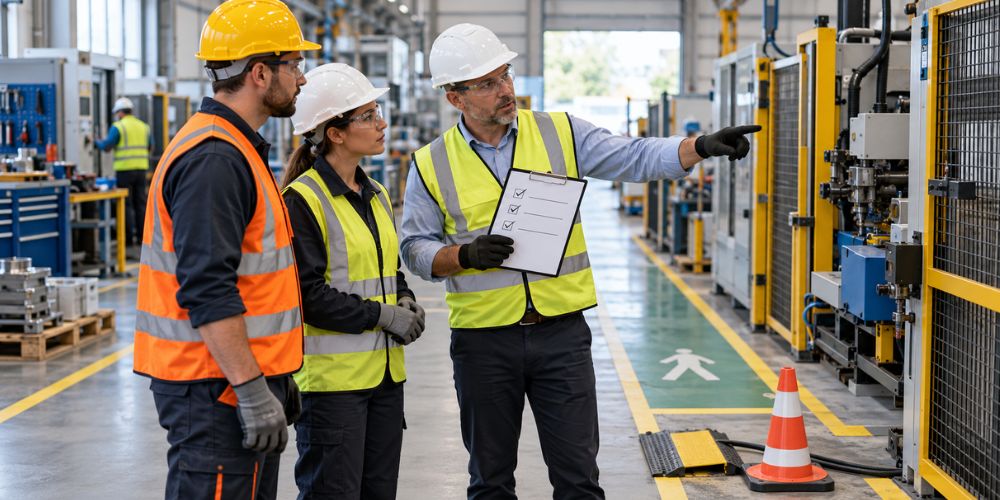
Building maintenance goes beyond daily upkeep and involves making sure that the facility meets all safety regulations and industry standards. Facilities managers are responsible for maintaining building systems such as security, HVAC, plumbing, electrical, and fire safety equipment. Compliance with health, safety, and environmental regulations is another key responsibility. Regular inspections and audits help prevent fines and reduce risks.
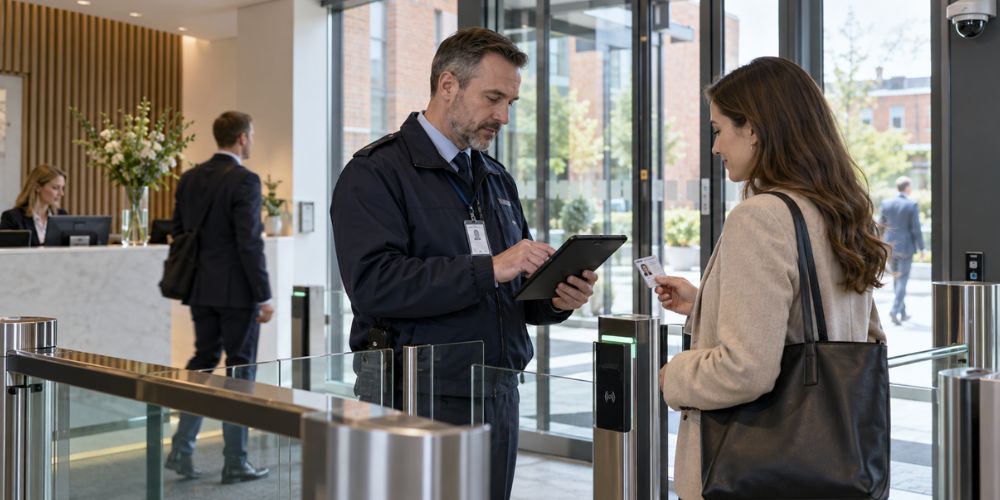
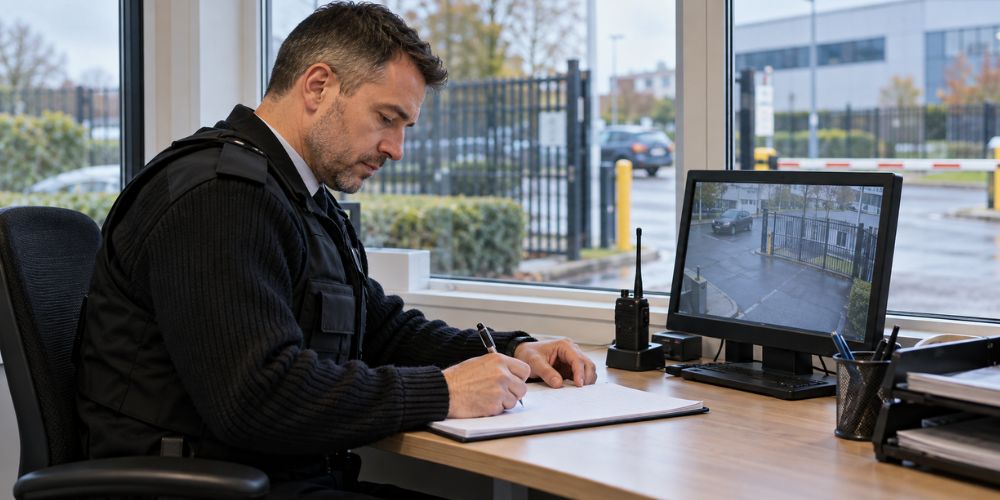
Security services are vital for protecting the building, its assets, and its occupants. Security staff manage access, oversee surveillance systems, and provide reassurance to everyone within the building. In addition, fire marshal services make sure the building complies with fire safety codes, conduct fire drills, and train staff to respond quickly in the event of a fire.
Technology Integration & Smart Facilities Management
Smart technologies have changed the way facilities are run. From smart thermostats and automated lighting to cloud-based software for tracking maintenance requests, these tools help improve productivity, reduce costs, and provide useful insights for better decision-making.
Facilities managers are using more IoT (Internet of Things) devices to monitor things like energy use and air quality, creating a smarter and more sustainable workplace. With the right technology, services like security can be improved with smart surveillance systems, and concierge services can be accessed through online platforms. Overall, technology helps streamline operations, making sure services like cleaning, security, and concierge are delivered smoothly and effectively.
Conclusion
Facilities management is essential to any organisation, helping maintain the smooth running of physical spaces while creating a safe, productive, and comfortable environment for employees and visitors. It involves everything from maintaining infrastructure to using smart technologies. Facilities management not only makes the best use of resources but also improves the workplace experience. By focusing on planning, managing budgets, meeting building regulations, and supporting employees, it plays a key role in the long-term success and sustainability of a business.